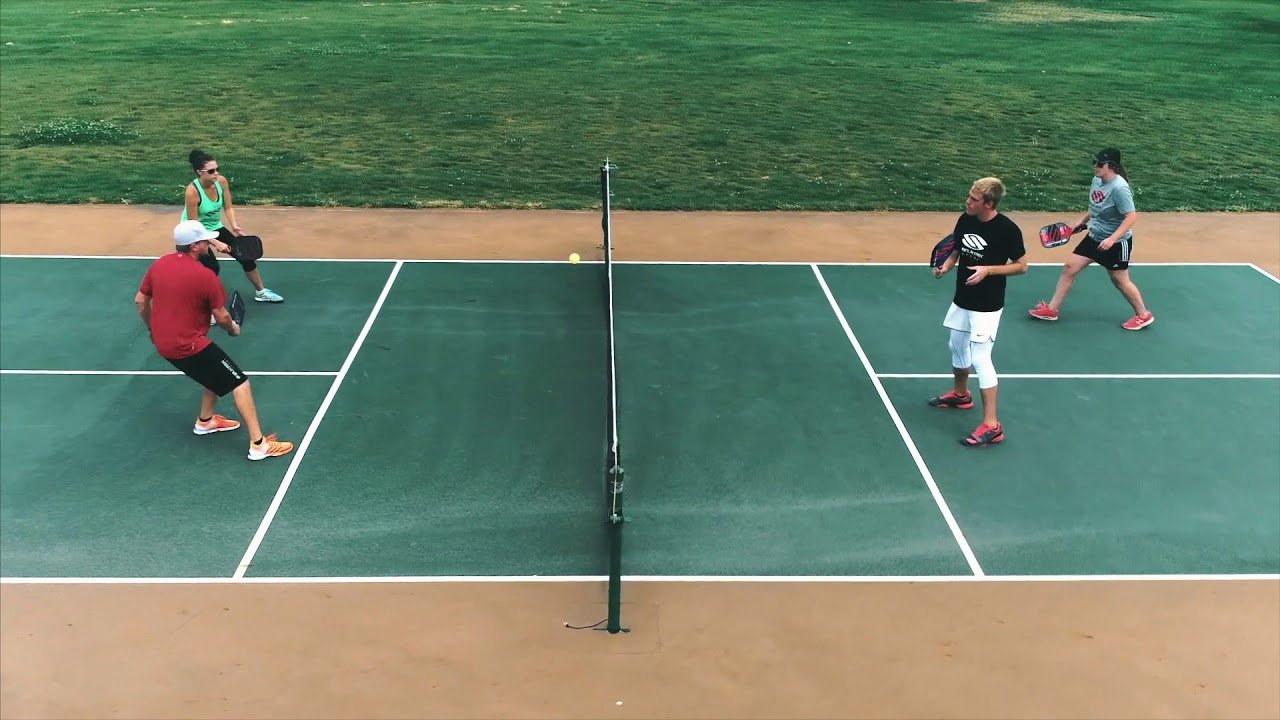
Pickleball is a fast, friendly paddle sport that blends tennis, badminton, and ping-pong.
I’ve played and taught pickleball for years, so I’ll give you a clear, expert guide to what is the game pickleball. This article explains the sport’s roots, rules, gear, strategy, and how to get started. Read on to learn practical tips, common mistakes, and why so many people love this lively game.
What is the game pickleball: a simple definition and origins
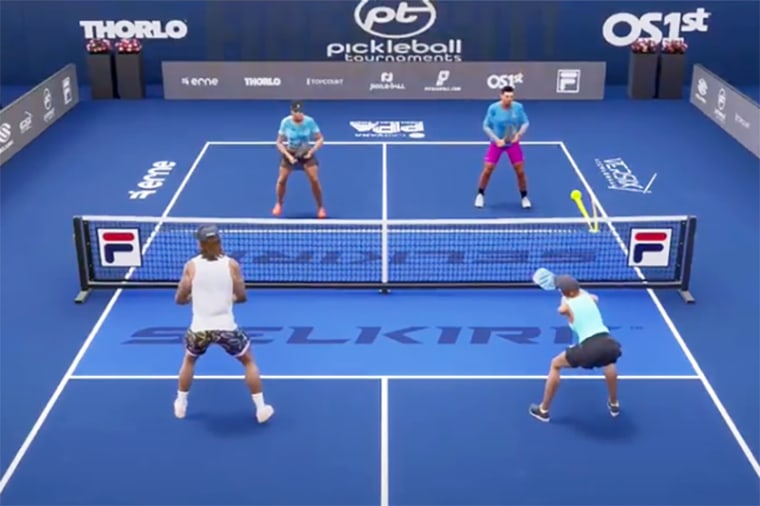
What is the game pickleball in plain terms? It is a paddle sport played on a small court with a perforated plastic ball and solid paddles. The game started in the 1960s as a family activity and grew fast because it is easy to learn and fun to play at almost any age.
I’ve seen beginners pick up the basics in one session. The pace can be gentle or intense. The court is about one-third the size of a tennis court. That makes movement easier and rallies more frequent. Over the years, rules, equipment, and competitive play evolved. Today the sport blends social play and high-level competition around the world.
How the game is played: basic flow and scoring
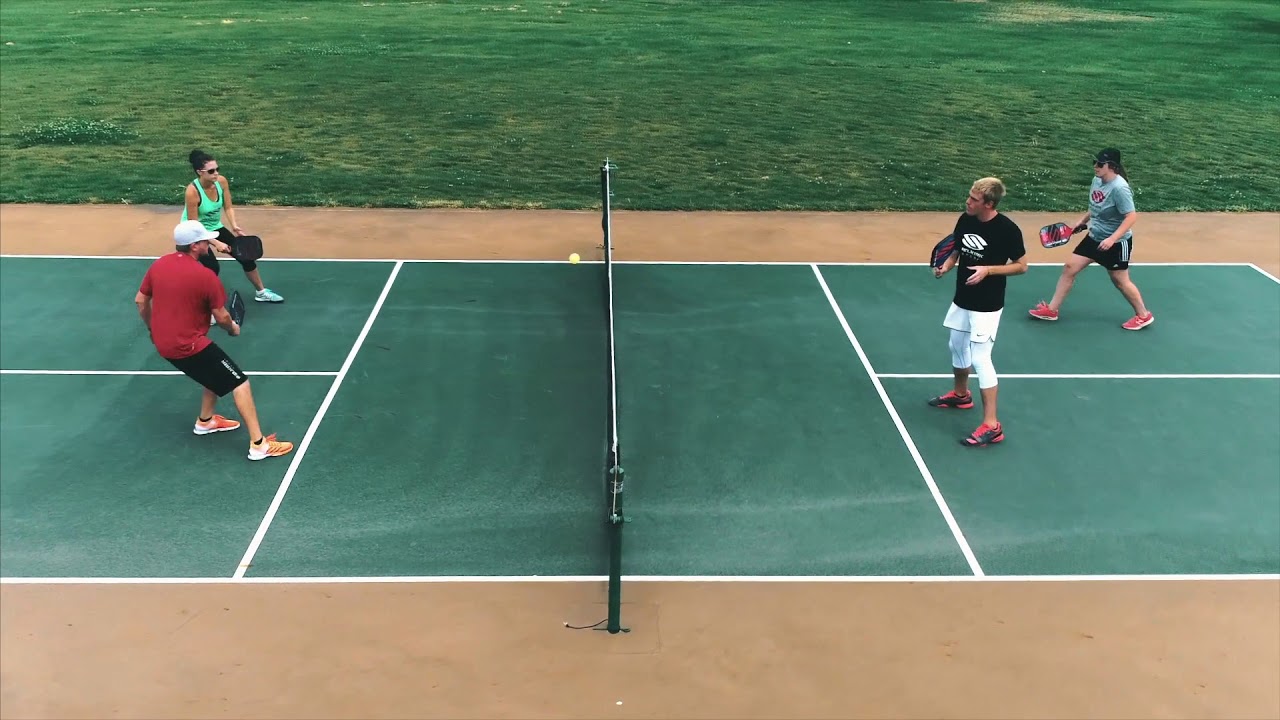
The flow of play is simple and quick to learn. Two or four players use paddles to hit the ball over the net. Points only score on serve in most formats. Games usually go to 11 points, win by two.
Key steps in a rally:
- The server serves underhand, diagonally across the net.
- The return must bounce once before being hit back.
- After two bounces (one per side), volleys are allowed.
- Play continues until a fault occurs, such as hitting into the net or outside the court.
What is the game pickleball at its heart? It is short swings, quick positioning, and smart placement. You win by outplacing opponents, not by raw power.

Court, equipment, and setup
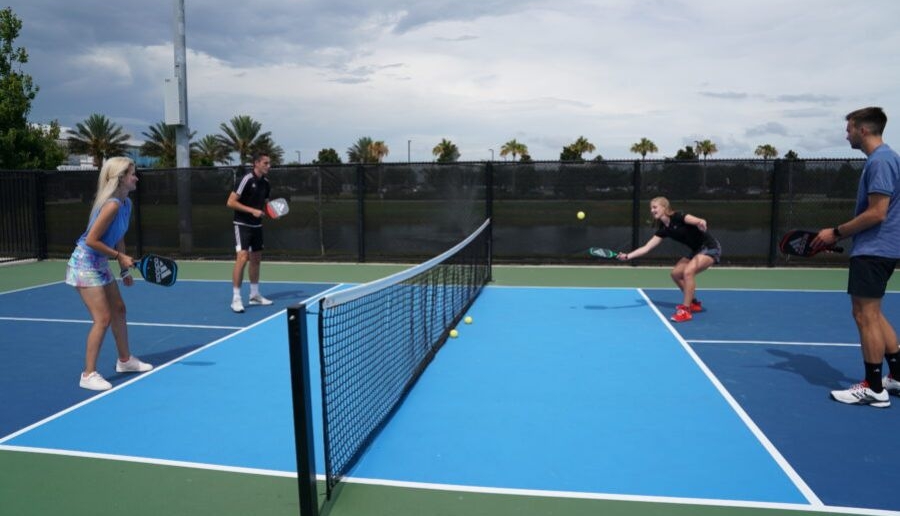
The court is compact and easy to install. It measures 20 feet wide by 44 feet long for singles and doubles. The net sits 34 inches at the center. A non-volley zone, called the kitchen, extends 7 feet from the net on each side.
Essential equipment:
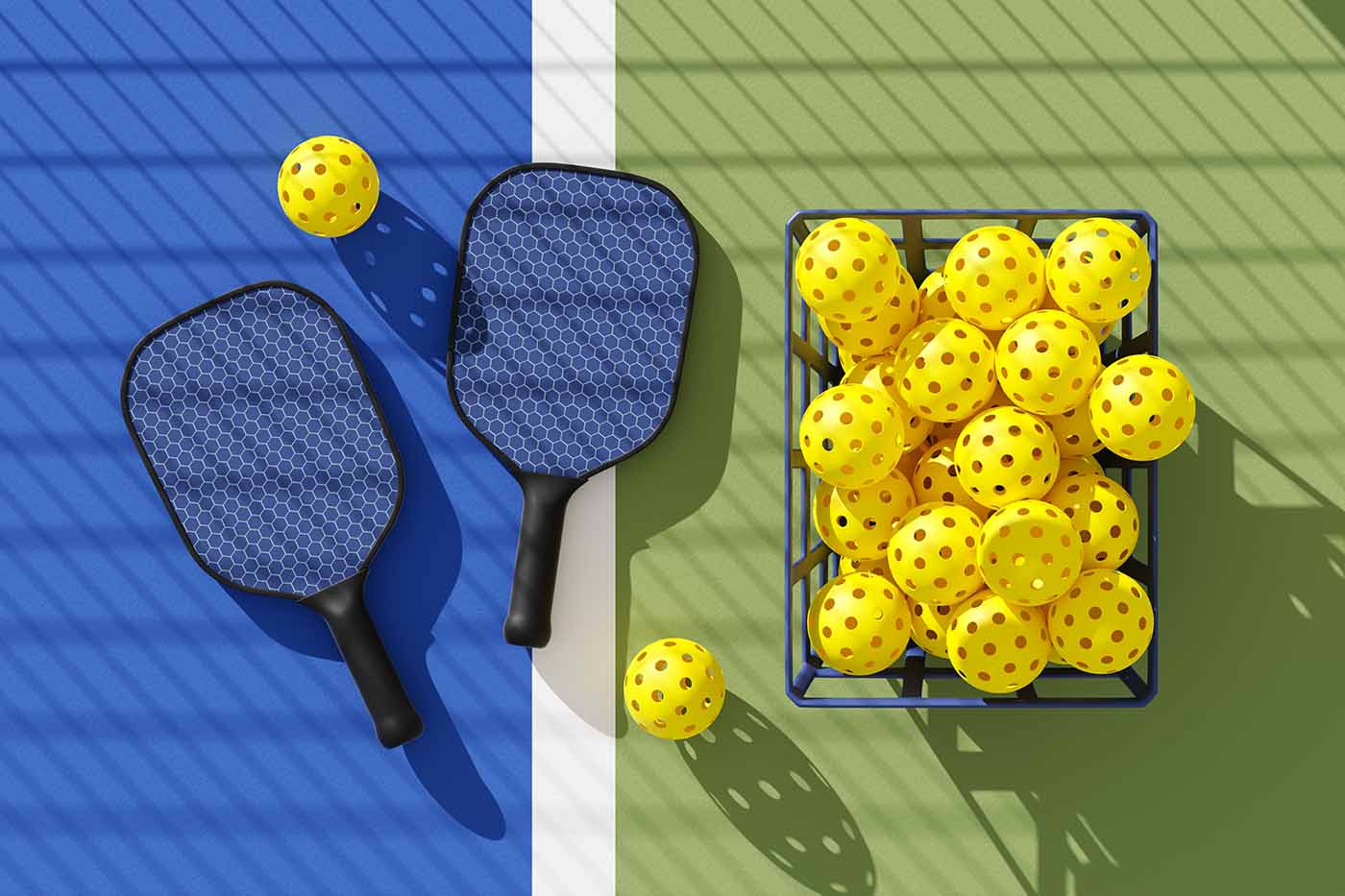
- Paddle: solid surface, usually composite or wood, with a comfortable grip.
- Ball: a plastic ball with holes, similar to a whiffle ball. Indoor and outdoor balls differ.
- Shoes: court shoes with good lateral support help prevent slips.
- Net and tape: standard nets are portable and easy to set up.
I recommend beginners use mid-weight paddles. They offer control and ease of learning. What is the game pickleball without the right gear? It won’t be as fun or safe.
Rules and common faults explained
Learning the core rules makes the game more fun and fair. Keep these simple points in mind.
Main rules:
- Serve underhand and below the waist.
- Serve must clear the net and land in the opposite diagonal service box.
- The double-bounce rule requires the ball to bounce once on each side before volleys.
- No volleying in the kitchen.
Common faults:
- Stepping into the kitchen while volleying.
- Hitting the ball out of bounds.
- Serving into the net or outside the service box.
- Volleying before the two bounces occur.
If you want to play competitively, learn the official rule nuances. For casual play, agree on house rules to keep games friendly.
Strategy and skills for better play
What is the game pickleball strategically? It’s about placement, patience, and court positioning rather than raw speed. Here are practical strategies.
Key skills:
- Serve with depth to push opponents back.
- Use dinks—soft shots into the kitchen—to force errors.
- Control the net by moving forward after a safe approach.
- Reset rallies with consistent groundstrokes.
Tactical tips:
- Aim for opponents’ weaker side.
- Move as a team in doubles to cover angles.
- Vary pace: mix soft dinks with deeper drives.
- Learn to read spin and adjust your paddle angle.
From my coaching experience, new players improve most by practicing the dink and the third-shot drive. These shots change the rhythm of play and win points.

Health benefits and why people love it
Pickleball offers great benefits for many people. It improves cardio, balance, and reflexes. It can be low-impact and friendly to joints when played with control.
Health and social benefits:
- Good aerobic exercise in short bursts.
- Encourages social interaction and teamwork.
- Accessible to wide age groups and fitness levels.
- Helps with coordination and mental focus.
I’ve watched older adults gain fitness and new social circles quickly after taking up the sport. The friendly vibe keeps people coming back.

Common beginner mistakes and how to avoid them
New players often make the same errors. Fixing these early speeds progress and reduces frustration.
Frequent mistakes:
- Trying to hit too hard instead of focusing on placement.
- Leaving the kitchen too early or stepping in while volleying.
- Serving with too much spin or too short.
- Not communicating with your doubles partner.
Simple fixes:
- Practice short, controlled shots first.
- Focus on footwork and balance.
- Use a consistent serve motion.
- Talk to your partner about who takes lobs and middle shots.
I once taught a player who kept rushing to the net and making errors. Slowing their movement and improving timing cut their errors in half.

How to get started and find play
Getting started is easier than you think. Many community centers and clubs offer drop-in sessions. Open play is a good way to test the sport and meet players.
Steps to begin:
- Try a free clinic or local class to learn basic rules.
- Rent or borrow a paddle before you buy.
- Join a local group or online community to find courts and players.
- Practice serves and dinks on your own or with a partner.
If you’re building a practice plan, focus on three things each session: serves, dinks, and third-shot drives. That gave me the fastest gains when I learned.
Tournaments, leagues, and growth of the sport
Pickleball has formal tournaments and amateur leagues. Competition ranges from local events to national championships. Players of all ages find levels that fit them.
Competition facts:
- Many tournaments use age and skill divisions.
- Rankings and professional play exist at higher levels.
- Local clubs often host ladder leagues for steady play.
If you want to go competitive, learn rules precisely and practice match play under pressure. Start small and build confidence as your skills grow.
What to expect as you improve
As you play more, your shots get steadier and your court sense improves. Expect a few plateaus and then sudden jumps in skill as you practice smartly.
Progress stages:
- Beginner: learning serves, dinks, and bounces.
- Intermediate: controlling pace and finding angles.
- Advanced: consistent placement, strategic teamwork, and power when needed.
I recommend tracking progress by focusing on one skill for a month, such as improving serves. Small, steady work pays off.
Frequently Asked Questions of what is the game pickleball
What is the game pickleball and who can play it?
Pickleball is a paddle sport that blends tennis and ping-pong. People of nearly all ages and fitness levels can play, from casual to competitive.
How long does a typical pickleball game last?
A recreational game to 11 points usually takes 15 to 30 minutes. Tournament matches or close scoring can extend play to 45 minutes or more.
Do I need special shoes to play pickleball?
Court shoes with good lateral support are best. Avoid running shoes, which do not support side-to-side movement well.
Is pickleball easy to learn for beginners?
Yes. Basic rules and rallies are intuitive, and many players can rally after one or two sessions. Mastery takes practice, especially in dinks and third-shot techniques.
What equipment do I need to start playing?
You need a paddle, a pickleball, and a court or net. Many beginners start with mid-weight paddles and indoor or outdoor balls depending on the surface.
Conclusion
This guide covered what is the game pickleball, how it’s played, key rules, gear, strategy, and tips to get started. The sport is easy to learn, social, and great for fitness. Try a local clinic, practice the dink and serve, and play with others to improve fast. Want to get started now? Grab a paddle, find a court, and join a game — then come back and share your progress or questions below.