Pickleball began in 1965 on Bainbridge Island, Washington, created by Joel Pritchard and friends.
I’ve researched and played pickleball for years, so I know exactly where and when did pickleball begin and how that small backyard game became a global sport. This article walks through the origin story, the people who made it, how rules and gear evolved, and why the game spread so fast. Expect clear facts, personal tips, and trustworthy context so you leave with a strong sense of where and when did pickleball begin and what it means today.

The simple origin: who, when, and where
Pickleball started in the summer of 1965 on Bainbridge Island, Washington. Three friends — Joel Pritchard, Bill Bell, and Barney McCallum — adapted a badminton court to make a fun family game. They used wooden paddles and a perforated plastic ball and wrote rules on a napkin to keep play fair.
The location was Joel Pritchard’s holiday home. The founders were practical people who wanted a relaxed game for all ages. That clear, family-friendly start answers the basic question of where and when did pickleball begin.
The name debate: Pickles or pickle boat?
There are two main explanations for the name. One story says Joel Pritchard’s dog, Pickles, chased stray balls and inspired the name. Another says the term came from “pickle boat,” a rowing term for a mixed crew, which matched the game’s mixed-skill play.
Historians and early players disagree about which story is true. The dog story is charming and often told, but some evidence suggests the name existed in conversation before Pickles the dog appeared. Either way, the name stuck and shaped the game’s friendly image.

Early rules and equipment: how the game looked at the start
The first rules were short and practical. The court was the size of a badminton court. The net was lower than a tennis net. Players used sturdy wooden paddles and a plastic ball with holes.
As interest grew, rules were formalized. Simple changes fixed fairness and made the game repeatable. If you want to know where and when did pickleball begin, the rules and gear show how quickly a backyard game became structured sport.
Why it caught on quickly
Pickleball’s rise is easy to understand. The game is simple to learn, cheap to set up, and fun for all ages. Courts fit into small spaces. Play is social and low-impact, so families and older adults embraced it.
This mix of convenience and fun explains why people ask where and when did pickleball begin with surprise. A local backyard game turned into a community staple because it checked practical boxes for many players.
How pickleball spread across the U.S. and beyond
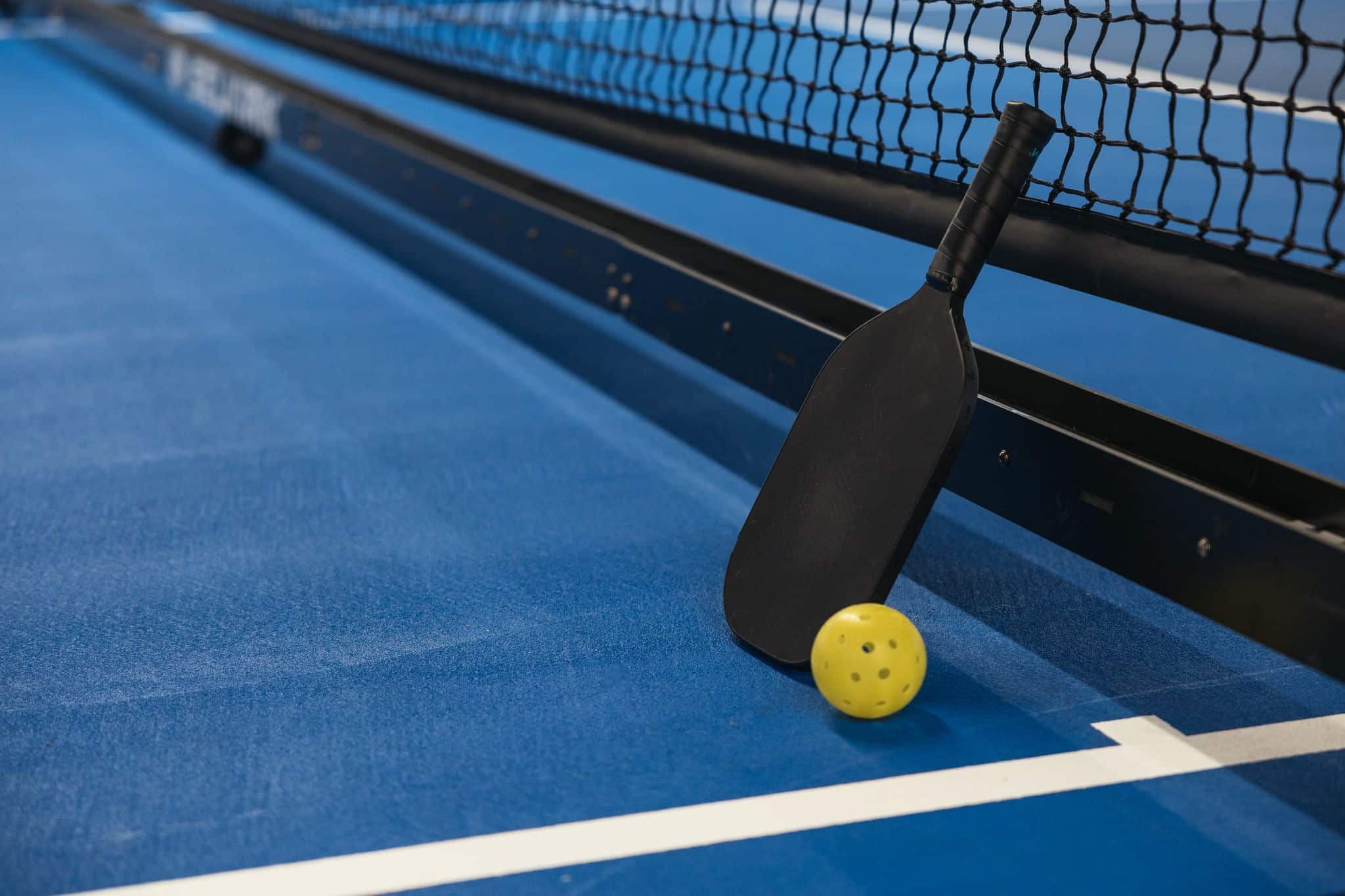
After the 1960s start, the sport grew slowly in the 1970s and 1980s through word of mouth. Community centers, YMCAs, and retirement communities added courts. In the 1990s and 2000s, regional tournaments and clubs formed. By the 2010s and into the early 2020s, exponential growth brought pickleball courts to parks, schools, and indoor facilities worldwide.
Organizations and local leaders helped standardize play and promote events. That steady momentum answers the ongoing curiosity about where and when did pickleball begin and how it became a global pastime.
My personal notes, tips, and lessons from playing
I first played on an old wooden court with homemade paddles. I learned to keep my shots low and move my feet. Mistakes I made early on included trying to smash too often and not learning the soft volley touch.
Practical tips I’d give:
- Practice quick footwork first to reach the kitchen line.
- Use a mid-weight paddle to gain control.
- Play doubles to learn court positioning fast.
These small lessons come from experience and help you connect the history of where and when did pickleball begin with how to play well now.
Cultural impact and the future of the game
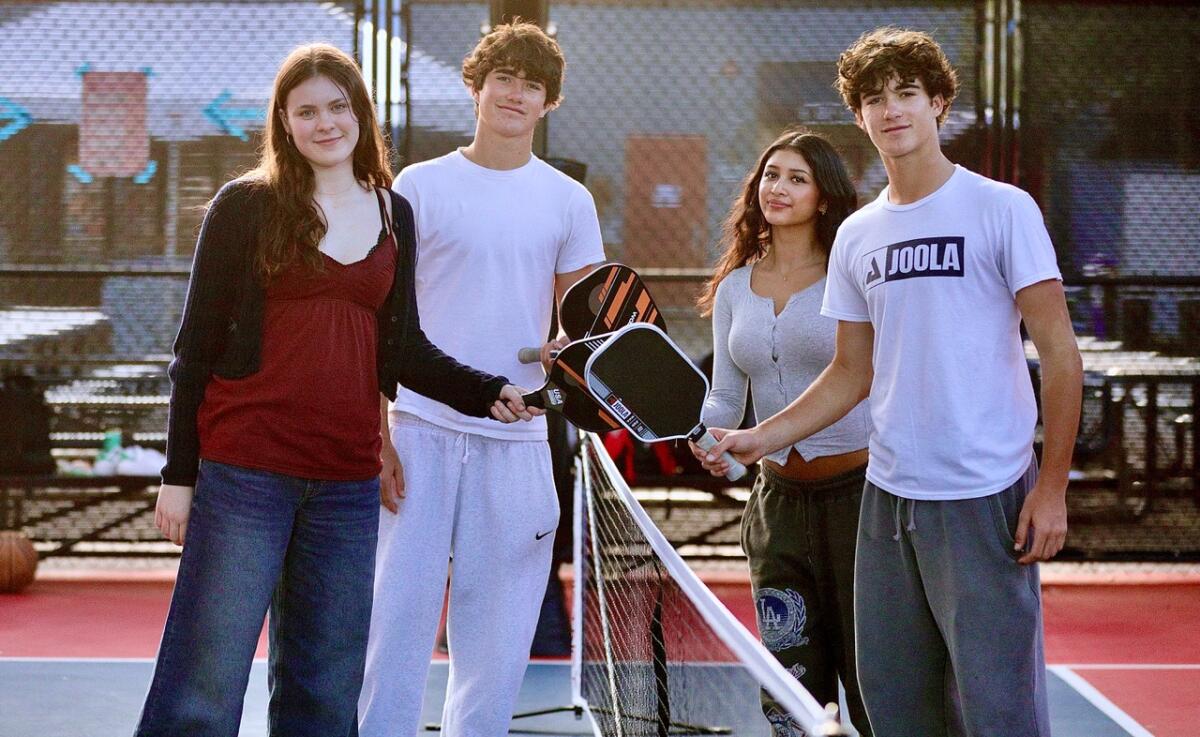
Pickleball has influenced recreation, fitness, and community design. Cities now plan multi-sport parks with dedicated courts. Professional circuits and sponsorships have grown, adding visibility and competitive depth.
Looking ahead, expect more youth programs, clearer pathways for pro players, and continued court expansion. Knowing where and when did pickleball begin helps you appreciate how fast a simple idea evolved into a worldwide community and economy.
Frequently Asked Questions of where and when did pickleball begin
When exactly did pickleball start?
Pickleball started in the summer of 1965 on Bainbridge Island, Washington. Three men — Joel Pritchard, Bill Bell, and Barney McCallum — created the first game.
Who invented pickleball?
Joel Pritchard, Bill Bell, and Barney McCallum are credited as the founders. They developed the game to entertain family and friends with a fun, mixed-age sport.
Was the name “pickleball” really from a dog?
The dog story is popular, but not certain. Some historical notes suggest the name may have come from the rowing term “pickle boat,” and both stories circulate in early accounts.
How did the rules become official?
Local players first used simple written rules. Over time clubs and national groups standardized rules to support tournaments and consistent play. This formalization helped the game grow beyond local courts.
Why do people ask where and when did pickleball begin?
The game’s rapid rise surprises many people who know only its modern popularity. Learning the 1965 Bainbridge Island origin clarifies how a backyard pastime became a major recreational sport.
Conclusion
The story of where and when did pickleball begin is a neat example of how simple ideas turn into big movements. From a 1965 family game on Bainbridge Island to courts worldwide, the path shows the power of simple rules, social play, and community energy. Try a local court, join a beginner clinic, or invite friends to play — experiencing the game is the best way to connect with its history. Leave a comment about your first game or subscribe for more sport stories and tips.