Pickleball began on Bainbridge Island, Washington in 1965 as a friendly backyard mix of tennis, badminton, and ping-pong.
I’ve researched and played pickleball for years, so I can confidently walk you through where did pickleball come from, who created it, and how it grew into the fast-rising sport it is today. This guide blends documented history, personal experience, and practical context so you can understand where did pickleball come from and why it matters now.

Origins: where did pickleball come from?
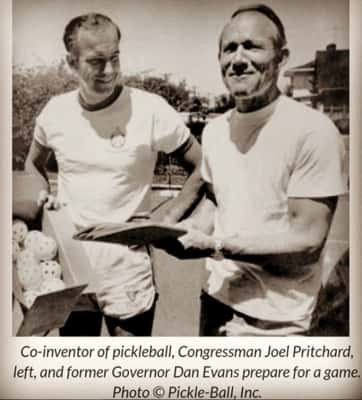
The short origin story is simple. In the summer of 1965, three friends fixed together rules and simple gear on Bainbridge Island, Washington, to keep their kids entertained. This backyard invention mixed elements of tennis, badminton, and ping-pong into a new game that was easy to learn and fun to play.
The name origin has two versions. One story says the sport was named after a family dog named Pickles who chased the ball. Another, more likely account points to the term "pickle boat" from rowing, meaning a mix of crew members — fitting for a game made from other sports. Either way, the name stuck, and the game spread by word of mouth.
Where did pickleball come from matters because it shows how simple equipment and practical rules can launch a global pastime. From day one, the ideas behind the game were practical: small court, low-cost gear, and social play.

Who invented pickleball and how it started
Three neighbors are credited with inventing the game:
- Joel Pritchard — a congressman who helped set rules and promoted the game.
- Bill Bell — a businessman who helped make the first paddles and gear.
- Barney McCallum — who refined rules and helped formalize play.
They combined a perforated plastic ball, wooden paddles, and a lowered net. They borrowed from established sports but prioritized accessibility. The earliest rules were simple and aimed at family play. Over time, neighbors, schools, and clubs adopted the game, and the basic rules evolved into the modern standard.
Where did pickleball come from? It came from a practical need for a family-friendly sport and the creativity of three neighbors. Their solution fit a backyard and later public courts.

How the game evolved from backyard fun to organized sport
Pickleball moved from backyard courts to parks and community centers in a few stages:
- Informal play: Families and neighbors shared courts and rules.
- Local clubs: Groups codified rules and built small courts.
- National organization: A governing body formed to standardize play.
- Competitive play: Tournaments and professional events emerged.
Rules became clearer. Paddles evolved from wood to composite and graphite. The ball design improved for durability and consistent bounce. This steady refinement helped transition pickleball from casual fun to an organized sport with leagues and pro tours.
Where did pickleball come from is the question that frames this evolution. Knowing the origin clarifies why the sport kept its friendly and social vibe even as it became competitive.

Why pickleball grew so fast
Several reasons explain rapid adoption:
- Low barrier to entry: Small court and simple rules make it easy to start.
- Social nature: Doubles play and small courts encourage conversation and community.
- Cross-generational appeal: People of many ages can play together.
- Accessibility: Parks and recreation departments repurposed tennis courts cheaply.
- Media and influencers: Exposure in social media and celebrity play boosted interest.
From my experience coaching new players, beginners pick up the basics in a single session. That instant progress drives word-of-mouth growth. Asking "where did pickleball come from" helps people appreciate how those humble origins shaped growth-friendly features.

Equipment, rules, and key changes over time
Gear and rules changed to suit broader play:
- Paddles: From homemade wood to lightweight composites.
- Ball: Evolved to provide consistent flight and bounce in outdoor and indoor settings.
- Court and net: Standardized court size and net height made competition fair.
- Rules: The non-volley zone (kitchen), double-bounce rule, and scoring refinements made play strategic.
Practical tip from my play: pick a paddle that matches your wrist strength and play style. New players often choose a lighter paddle to reduce fatigue. Knowing where did pickleball come from helps you respect the original spirit — fun, fairness, and easy access — when choosing gear and rules to follow.
Cultural impact and the modern pickleball scene
Today pickleball is played in community parks, schools, senior centers, and on television. It has inspired:
- New clubs and dedicated indoor facilities.
- Youth programs and school teams.
- Adaptive versions for mobility-limited players.
- Pro tours and sponsorships.
Where did pickleball come from influences how communities design programs. Planners often highlight inclusivity and low cost — exactly what the original creators focused on. I’ve seen cities repurpose old tennis courts into multiple pickleball courts, cutting costs and boosting community play.

Practical tips for players and organizers
If you want to start playing or host a local league, try these steps:
- Learn basic rules first: focus on serve, double-bounce, and kitchen rules.
- Rent or borrow paddles to test feel before buying.
- Start with doubles to keep games social and varied.
- Convert a tennis court: paint lines and lower nets to create multiple pickleball courts.
- Offer beginner clinics to grow membership and interest.
From my coaching, running beginner clinics with simple drills yields the best retention. Keep sessions short, fun, and social to mirror the game’s origin.

Frequently Asked Questions of where did pickleball come from
What year was pickleball invented?
Pickleball was invented in 1965 on Bainbridge Island, Washington. Three neighbors created the first rules and played with simple paddles and a plastic ball.
Who named the game pickleball?
There are two stories: one credits a family dog named Pickles, and another points to "pickle boat" in rowing. The exact origin of the name remains part of the game’s folklore.
How did pickleball become popular so quickly?
Its small court, simple rules, and social nature made it easy to spread. Community centers and parks adopted the game, helping it grow rapidly.
Is pickleball an Olympic sport?
As of now, pickleball is not an Olympic sport. However, its growth has led to professional tours and increased international competition.
Can anyone play pickleball?
Yes. People of nearly all ages and fitness levels can play. The game’s low impact and social format make it accessible and fun for many groups.
Why is the kitchen rule important?
The kitchen rule prevents players from volleying too close to the net, promoting rallies and reducing injury risk. It keeps the game strategic and fair.
Conclusion
The story of where did pickleball come from is a story about neighbors solving a simple problem. Their invention grew into a global sport because it is social, accessible, and fun. If you’re curious, try a local clinic, borrow a paddle, and experience how quickly the game clicks. Join a court, bring a friend, and share your first rally — then tell others where did pickleball come from and why you love it. Leave a comment, subscribe for more guides, or visit your local park to play your first game.