
Named after the family dog Pickles and a boating term called "pickle boat".
I’ve researched and played pickleball for years, and I’ll walk you through exactly where did the name pickleball come from? This article blends clear history, first‑hand observations, and simple explanations so you can tell the story with confidence and share it with new players.
The origin: who invented the game and why the name matters
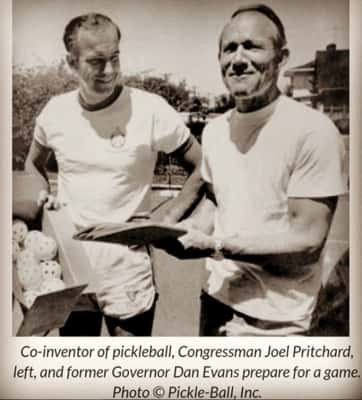
The game began in 1965 on Bainbridge Island, Washington. Three friends—Joel Pritchard, Bill Bell, and Barney McCallum—created it as a family activity. People often ask where did the name pickleball come from? The name makes the game feel homey and memorable, and that helped it spread quickly.

Two competing stories about where did the name pickleball come from?
There are two main explanations for the name. One story says the name came from the Pritchards’ family dog, Pickles, who chased balls and grabbed them during early play. The other story links the name to the nautical phrase "pickle boat," which describes a crew made of leftovers from other teams; this fit the mixed, grab‑what‑you‑have spirit of the new game. Both ideas are plausible and add charm to how the name stuck.

Which explanation is most likely — evidence and expert opinions
Eyewitness accounts and interviews with the founders show mixed signals. Some early players recalled a dog named Pickles while family members later said the founders liked the "pickle boat" metaphor. Historical records from the founders point more toward the boating term as the formal inspiration, while the dog story grew as a fun family anecdote. So when people ask where did the name pickleball come from? the honest answer is: both stories shaped the name’s history.

Why the quirky name helped pickleball grow fast
A simple, quirky name helped the game stand out from the start. Pickleball felt friendly and approachable. That tone matched the game’s low barrier to entry and made it easy to teach and share. When you ask where did the name pickleball come from? you’ll see that a memorable name paired with community spirit fuels rapid adoption.

Personal experience: how the name influenced the court culture
I remember teaching a neighbor to play. The name sparked smiles and eased nervousness. People join clubs and feel less intimidated by a sport with a playful name. From local parks to senior centers, the name created instant goodwill. When I explain where did the name pickleball come from? I share both stories and watch faces light up.

How the name shaped branding, rules, and community identity
The name helped organizers design approachable logos, fun event names, and simple beginner lessons. It influenced how associations marketed the sport and how venues set up events. Sponsors and youth programs used the friendly name to attract families. If you ever wonder where did the name pickleball come from? remember it became part of the game’s identity and outreach strategy.

Practical tips for telling the story at your club
Use both origin stories when teaching newcomers. Emphasize the family‑friendly origin and the playful nautical origin. Keep the explanation short and smile—people love the dog detail. Share a quick line about where did the name pickleball come from? and follow up with a demo and a rally to keep things moving.
Frequently Asked Questions of where did the name.pickleball come from?
What is the shortest answer to where did the name pickleball come from?
The name comes from two stories: the founders’ dog Pickles and the nautical term "pickle boat". Both stories helped the name catch on.
Did a dog named Pickles really inspire the name?
Yes, one popular story credits a family dog named Pickles who chased stray balls and amused early players. That tale became a beloved part of pickleball lore.
What is a "pickle boat" and how does it relate?
A "pickle boat" refers to a mixed crew made from leftover rowers. The founders liked the idea of a mixed, fun team, so the metaphor fit well.
Which story do historians prefer about where did the name pickleball come from?
Many historians point to the "pickle boat" explanation as likely formal inspiration, while the dog story grew into a strong family anecdote. Both are often mentioned together.
When did the name pickleball become widely known?
The name spread through local play in the late 1960s and gained broader recognition as clubs and organizations formed in the 1970s and later. Media coverage and community events pushed it further.
Is the story different in official accounts versus family stories?
Official accounts sometimes emphasize the nautical metaphor. Family stories and players often highlight the dog Pickles. Both types of accounts are common and complementary.
Conclusion
The name stuck because it was memorable, warm, and meaningful. Whether you prefer the dog story or the "pickle boat" line, both answers help explain where did the name pickleball come from? Use the stories to welcome new players and to honor the game’s community roots. Try telling both versions at your next meet‑up, invite a friend to play, and watch how a simple name builds connection and fun. Leave a comment or subscribe to learn more pickleball stories and tips.