Older adults, young players, athletes, and families of all ages play pickleball widely.
As a longtime coach and player, I will explain who plays pickleball and why the sport attracts such a broad crowd. I combine hands-on experience with research to show where the game is growing, who signs up for lessons, and how communities build programs. If you want a clear guide to who plays pickleball and how to find your match, this article walks you through the full picture with practical tips.
Who plays pickleball today?
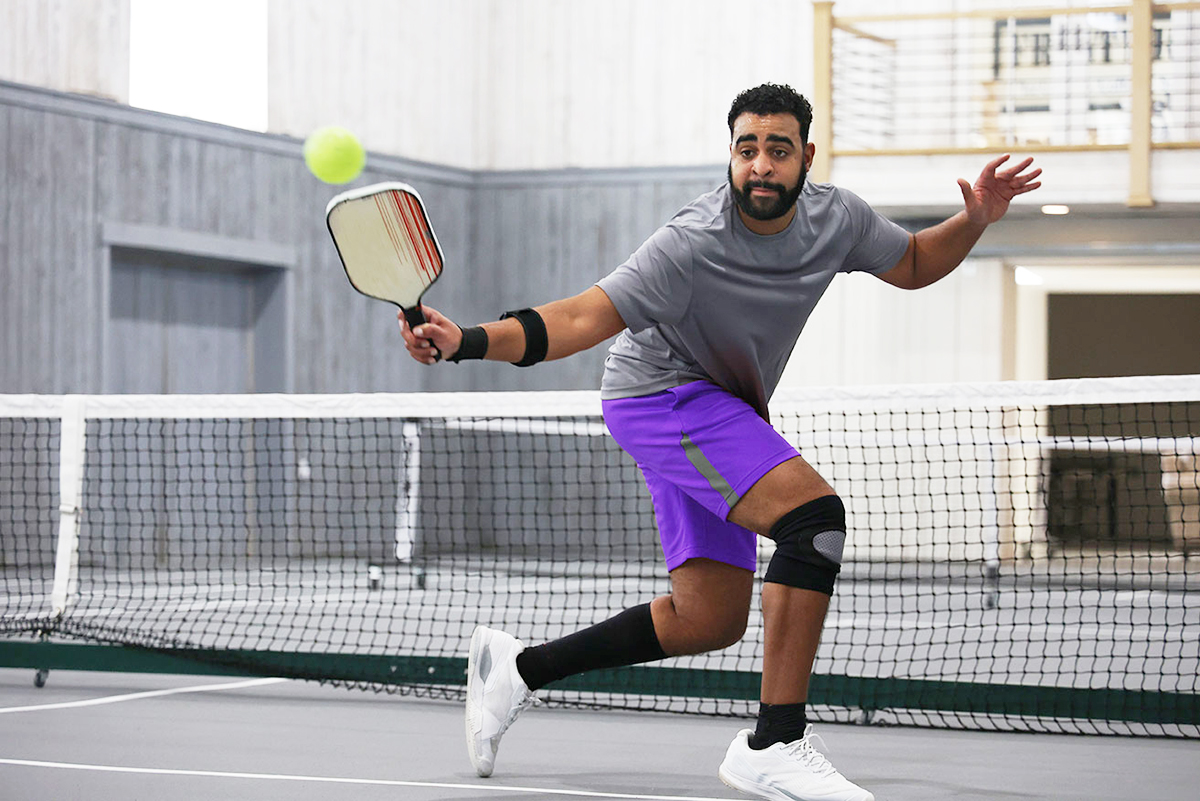
Pickleball players come from many walks of life. Data and club rosters show who plays pickleball now includes adults 50+, active retirees, families, and young athletes. The sport’s low barrier to entry and social appeal draw people who want fun, a light cardio workout, or friendly competition. Local parks, schools, and clubs all tell similar stories: the game mixes ages and backgrounds on one court.
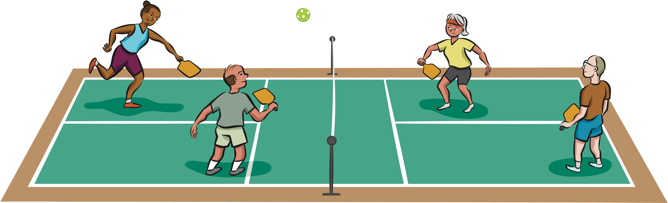
From my years coaching, I’ve seen unexpected pairings form quickly. A 70-year-old and a 19-year-old can enjoy doubles together. That mix is part of what makes knowing who plays pickleball useful. Plan your play around local groups to find the best fit.
Who plays pickleball across generations?
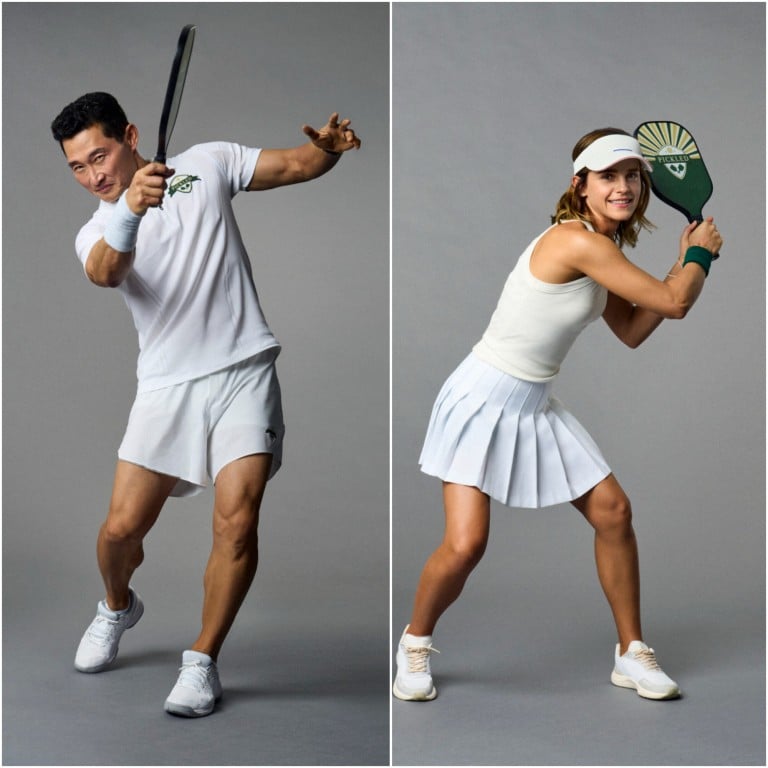
Pickleball bridges generational gaps. Families, grandparents, and teens all ask the same question: who plays pickleball in my neighborhood? The answer is usually everyone. Programs for school PE classes, community centers, and senior facilities mean the game reaches many age groups.
Understanding who plays pickleball across generations helps organizers set times and lesson levels. It also helps you choose partners and practice slots. If you want to play with a specific age group, check schedule blocks at local courts or community calendars.
Where people play
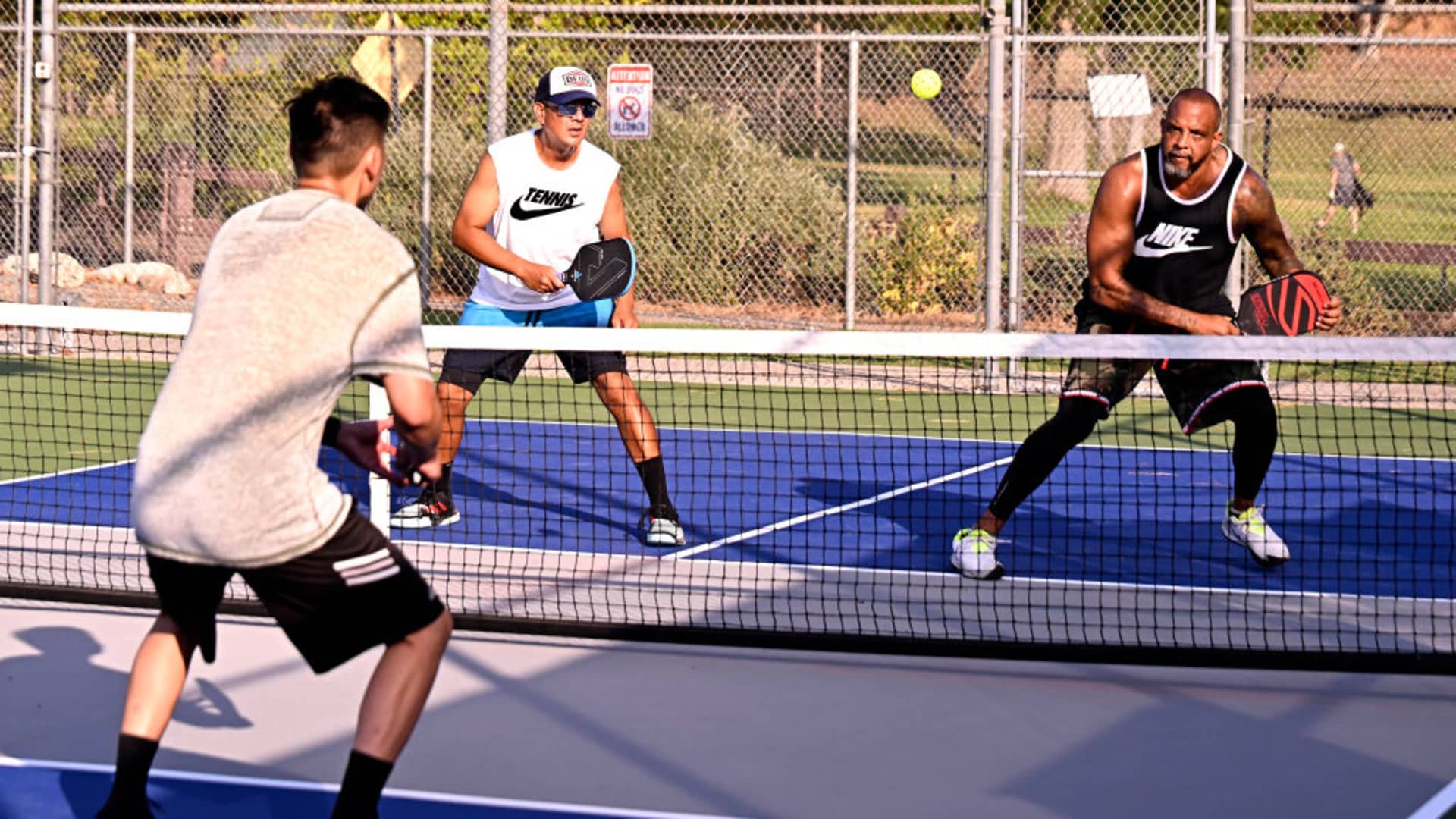
Courts tell a story about who plays pickleball in urban and rural areas. You will find dedicated pickleball courts, converted tennis courts, gymnasiums, and community centers hosting open play. Public parks often run beginner clinics and drop-in sessions that attract new players.
Private clubs and recreation centers host leagues and tournaments, which draw more competitive players. Many towns now list court locations and schedule times online, so a quick search will show you where people gather locally.
Types of players and skill levels
Knowing who plays pickleball helps you find the right skill level and partner. Player types include:
- Recreational players: Casual players who enjoy social games and light exercise.
- Beginners: New players learning rules, basic shots, and placement.
- Intermediate players: Regular players who understand strategy and hit more consistent shots.
- Competitive players: League and tournament players who practice drills and advanced tactics.
- Coaches and pros: Instructors and former athletes who teach and run clinics.
I’ve coached beginners who picked up the basics in two sessions and competitive players who train weekly. Identifying your type helps set realistic practice goals and match times.

How to get started
If you wonder who plays pickleball in your town, show up to a beginner clinic or open play night. Most clubs welcome newcomers and loan paddles for a first visit. Follow these steps to jump in:
- Find local courts and schedules online or at the community center.
- Try a beginner class or watch drop-in play to see the skill mix.
- Rent or borrow a paddle and ask to join a social doubles rotation.
- Practice basic volleys, dinks, and serve placement before competitive play.
From my experience, new players improve fast when they focus on placement rather than power. Be patient, ask for tips, and enjoy the social side of the game.

Benefits that explain who plays pickleball
The benefits make clear why who plays pickleball spans ages and fitness levels. Pickleball offers low-impact cardio, social contact, quick skill gains, and easy court setup. Players often mention improved balance, more social time, and reduced stress.
Community leaders note that the sport boosts park use and brings neighbors together. These practical benefits help explain why teachers, retirees, parents, and athletes all join in.

Practical tips for organizers and new players
If you run a program or want to join one, consider these tips based on coaching lessons and club growth:
- Schedule mixed-age sessions to build community and allow skill sharing.
- Offer beginner-only times to lower the intimidation factor.
- Use short drills that focus on serve, return, and dink practice.
- Start a social ladder or round-robin to help players find balanced partners.
- Promote family nights to invite parents and kids to play together.
These small steps make it easier to answer the question of who plays pickleball locally by encouraging broader participation.
Frequently Asked Questions of who plays pickleball
Who plays pickleball the most by age?
Adults over 50 often form a large portion of players, but participation among younger adults and teens is rising rapidly. Many communities now see a healthy mix of ages on any given night.
Is pickleball popular with kids and teens?
Yes, schools and youth programs increasingly add pickleball to PE or after-school activities. The simple rules and quick rallies make it an attractive option for younger players.
Do former tennis players make up who plays pickleball?
Many former tennis players switch to pickleball for a lower-impact option and shorter court size. Their skill transfer often speeds up their learning curve.
Are competitive players a small portion of who plays pickleball?
Competitive players are a smaller, but visible group that participates in leagues and tournaments. Most local play remains recreational and social.
Can anyone join local pickleball sessions?
Yes, most public sessions welcome all levels and often have specific beginner times. Check your park or club schedule for open play and beginner clinics.
What equipment do new players need if they wonder who plays pickleball?
Beginners need a paddle, balls, and appropriate court shoes. Many clubs loan paddles for first visits so you can try the sport before buying gear.
Conclusion
Pickleball welcomes a wide range of people. Knowing who plays pickleball helps you find the right court, partner, and program. Start with a beginner session, watch a few games, and join the social rotation to learn quickly.
Take action: look up nearby courts, sign up for a clinic, or bring a friend next time you visit a park. If you found this helpful, leave a comment with your local pickleball story or subscribe for more practical tips.