
Pickleball courts have openings for easy player access, ball retrieval, and emergency entry. As a long-time pickleball player, I've seen countless matches where these simple gates prove their worth. You've probably noticed them and wondered about their purpose. This guide will fully explain why pickleball courts have openings around the kitchen area, revealing how this small design feature is crucial for the game's flow, safety, and overall enjoyment.

The Primary Purpose: Easy Access for Players
The most straightforward reason for court openings is to let players get on and off the court. Imagine trying to start a game by climbing over a fence or ducking under a net. It would be clumsy and inconvenient. These gates provide a clear, designated entry and exit point.
This becomes especially important during busy open play or tournaments. I remember one packed event where courts were turning over every 15 minutes. The gates allowed players to swap out quickly and efficiently, keeping the entire event running smoothly. Without them, the flow of play would grind to a halt. It's a simple solution for a simple need: getting to the game.

More Than Just an Entrance: The Multiple Functions of Court Openings
While player access is the main reason, these openings serve several other vital functions. They are a testament to thoughtful court design, addressing practical needs that arise during play. Understanding why pickleball courts have openings around the kitchen area involves looking at these secondary, yet equally important, roles.
Quick and Safe Ball Retrieval
Pickleballs are light and can easily sail over the fence, especially on a windy day or after a powerful overhead smash. Instead of forcing players to awkwardly climb a chain-link fence, the gates offer a safe and quick way to retrieve errant balls. This keeps the game moving and, more importantly, prevents potential injuries from climbing.
I’ve personally chased down hundreds of wild shots. Having a gate nearby means I can pop out, grab the ball, and get back into position for the next serve without a major delay. It’s a small convenience that makes a big difference in maintaining the pace of the game.
Essential for Accessibility and Emergencies
Good court design is inclusive. The openings are crucial for making pickleball accessible to everyone, including players who use wheelchairs. Standard gate widths are designed to accommodate wheelchair access, ensuring everyone can enjoy the sport.
Furthermore, these gates are critical in an emergency. If a player gets injured, medical personnel need fast, unobstructed access to the court. The openings provide a direct path for first responders and their equipment, which could be life-saving. This safety aspect is a key reason why pickleball courts have openings around the kitchen area.
Facilitating Court Maintenance
Keeping a court in top condition requires equipment. Whether it's a leaf blower to clear debris, a pressure washer for cleaning, or a roller for surfacing, maintenance crews need a way to get their tools onto the court. The gates provide the necessary access point for these tasks, helping to ensure the playing surface remains safe and well-maintained for everyone.
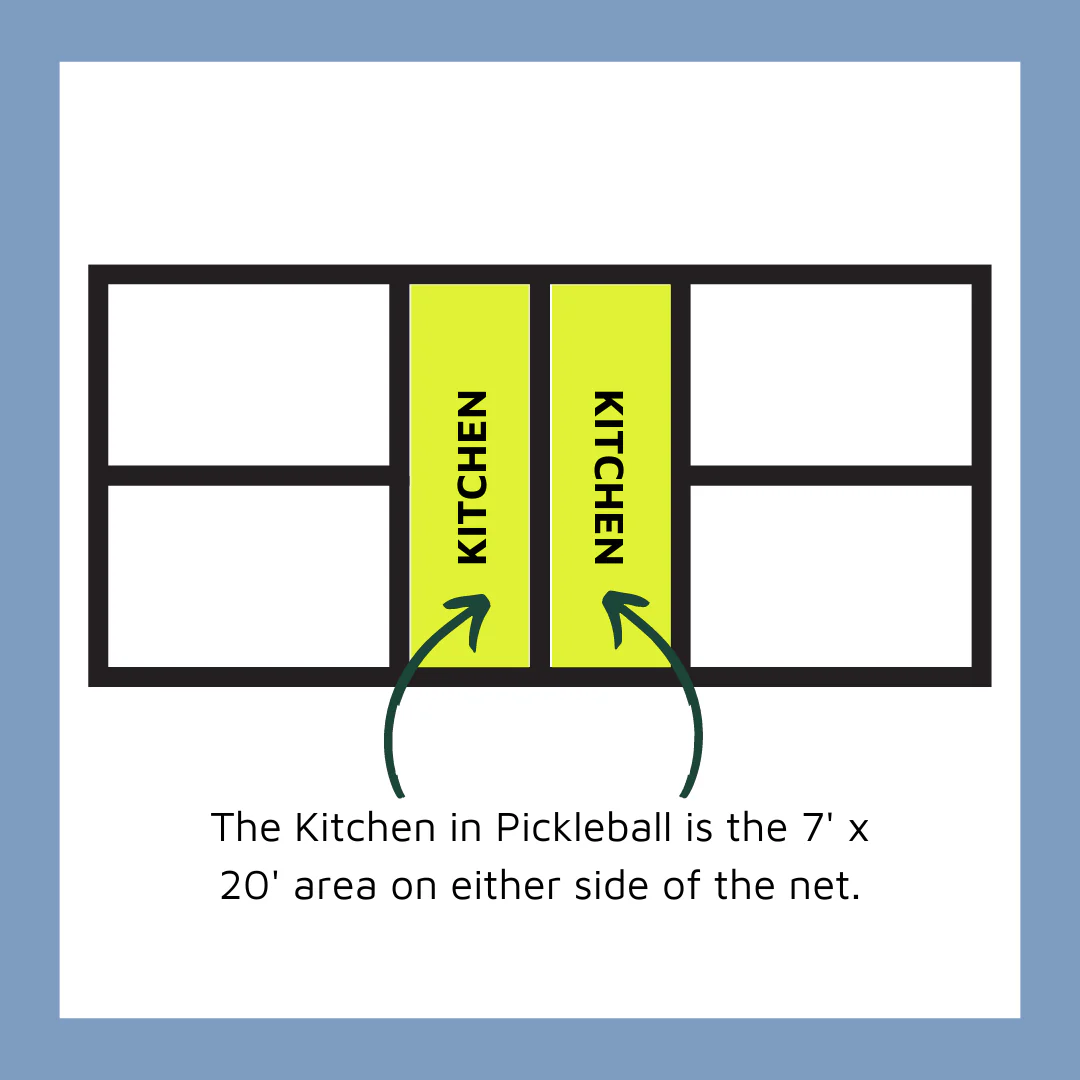
Strategic Placement: Why Near the Kitchen?
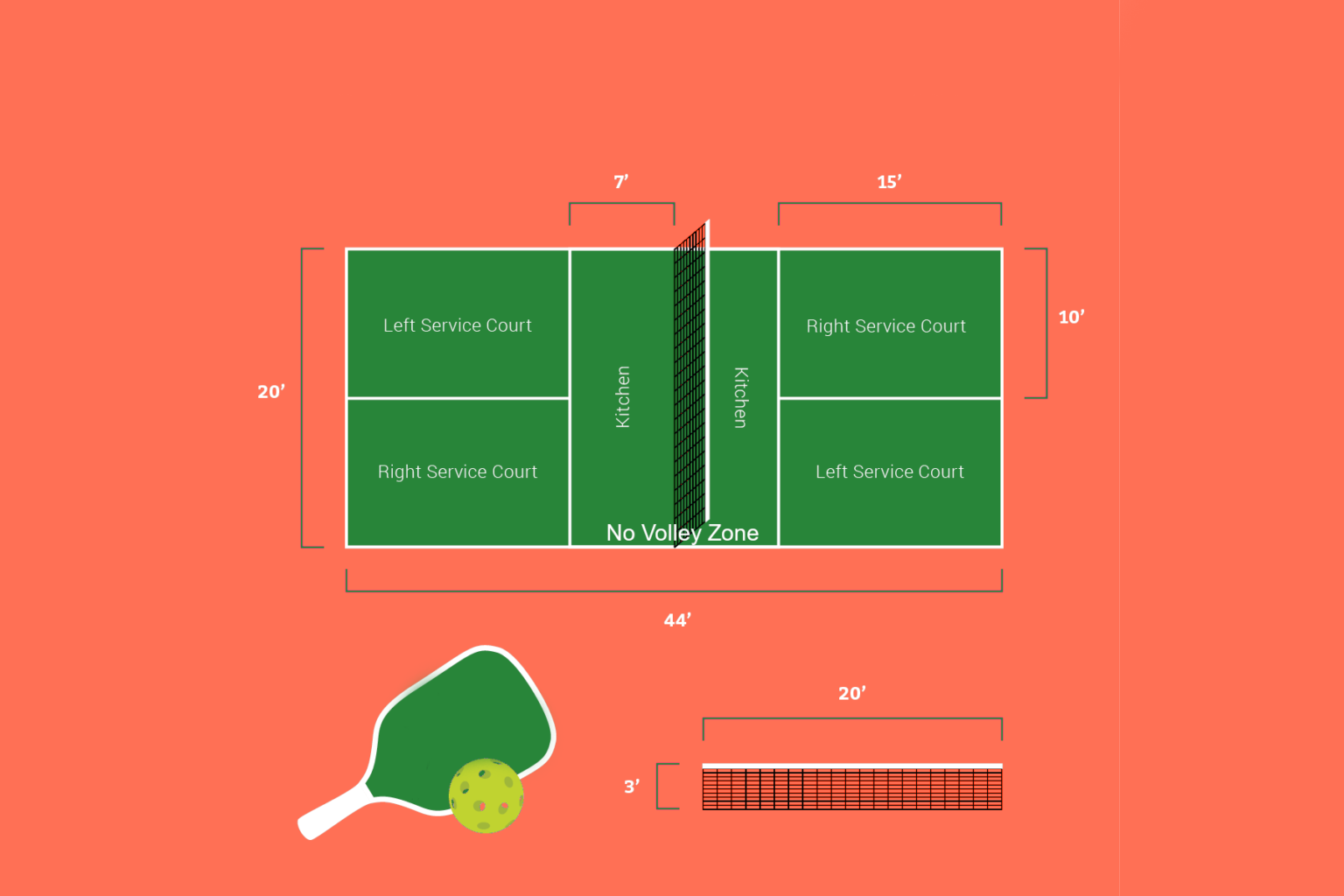
The location of these openings isn't random. They are typically placed near the center of the court, along the sidelines adjacent to the non-volley zone, or "kitchen." This placement is intentional and strategic. Placing the gate at the center line minimizes the distance a player has to walk to get to their starting position.
This central location also reduces interference with neighboring courts. If gates were at the back of the court, entering players might walk behind an active game on another court, causing a distraction. By keeping the entry point near the net, players stay within their court's general zone, respecting the space of others. The strategic location is a core part of understanding why pickleball courts have openings around the kitchen area.
Do All Courts Have These Openings?
While standard for professionally constructed, dedicated pickleball courts, not every court will have these openings. For instance, temporary courts set up in a parking lot or on a tennis court might not have fences at all, making gates unnecessary. Similarly, some private, single-court setups may opt for different designs.
However, any facility following official guidelines for pickleball court construction will include them. Public parks, sports complexes, and clubs almost universally feature fenced courts with gates. The inclusion of these openings is considered a best practice for safety, accessibility, and functionality, which is why you see them so often. The question of why do pickleball courts have openings around the kitchen area is directly tied to these official standards for creating a proper playing environment.
Frequently Asked Questions of why do pickleball courts have openings around the kitchen area
Are the openings on a pickleball court required by official rules?
The official rulebook focuses on gameplay, not court construction. However, governing bodies for pickleball provide construction guidelines that strongly recommend gates for access, safety, and maintenance purposes.
What is the standard size for a pickleball court gate?
Most pickleball court gates are between 36 and 48 inches wide. This size is large enough to accommodate wheelchairs and small maintenance equipment, ensuring accessibility and ease of use.
Can a player hit the ball through the opening during a rally?
Yes, if a ball passes through an open gate during a rally, it is considered out of play, and the team that hit it loses the point. This is why players should ensure the gate is securely latched before starting a game.
Why are the openings sometimes in the middle and sometimes on the side?
The most common placement is in the middle, near the net. However, court layout, proximity to other courts, and facility design can sometimes lead to gates being placed in a corner or along the side fence.
Do indoor pickleball courts also have these openings?
Indoor courts that are part of a larger gymnasium may not have fences and therefore no gates. However, dedicated indoor facilities with surrounding curtains or permanent walls will have designated entry points that serve the same purpose.
Conclusion
The next time you step through that opening onto the pickleball court, you'll know it’s more than just a gate. It’s a thoughtfully designed feature that enhances safety, accessibility, and the overall rhythm of the game. From allowing quick player changes to providing emergency access, this simple element is fundamental to a well-functioning court. Appreciating these details is part of understanding why pickleball is such a well-designed sport.
Now that you know why pickleball courts have openings around the kitchen area, what other small court features have you wondered about? Share your thoughts in the comments below