The name came from either the "pickle boat" rowing term or a dog named Pickles.
I’ve researched and played the game, and I’ll walk you through the story behind where did the name pickleball come from. I’ll explain the two main origin stories, the evidence for each, and why the name stuck. Expect clear timelines, personal notes from my own play and visits, and practical takeaways to help you tell the true story with confidence.
The origins of the game and why the name matters
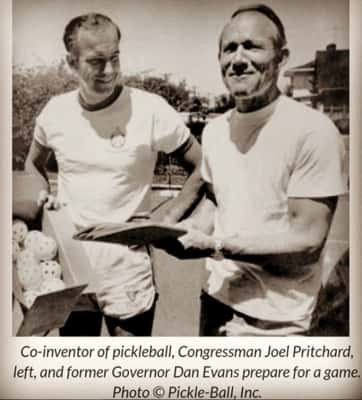
Pickleball started in 1965 on Bainbridge Island, Washington. Three friends—Joel Pritchard, Bill Bell, and Barney McCallum—created a fun, easy-to-learn paddle sport. People quickly loved the hybrid mix of tennis, badminton, and ping-pong.
Knowing where did the name pickleball come from helps fans and historians respect the sport’s roots. The name is short, memorable, and tied to a homely backstory. That story grew as the sport spread, which shaped culture, branding, and how people talk about the game today.

Two competing explanations: pickle boat vs. Pickles the dog
There are two popular answers to where did the name pickleball come from. Both are simple and charming.
- Pickle boat story: Joan Pritchard, Joel’s wife, reportedly said the mix of sports reminded her of the “pickle boat” in rowing. That term refers to a crew of rowers picked from leftover team members. The idea: the sport was a mix of bits from other games.
- Dog story: Later versions claim a family dog named Pickles chased and grabbed one of the balls. The dog’s antics supposedly led players to call the game “Pickles’ ball,” which then shortened to pickleball.
Both accounts are part of the game’s folklore. Which one is accurate depends on the timeline and eyewitness accounts. I’ll break that down next.

Timeline and evidence: assessing where did the name pickleball come from
Tracing the name is about checking dates and documents. Here’s a simple timeline to help you judge the stories.
- 1965: Game invented by Pritchard, Bell, and McCallum on Bainbridge Island. Early players used makeshift paddles and a perforated plastic ball.
- Mid-1960s: Joan Pritchard is reported to have used the term pickle boat to describe the game. That usage appears in early written accounts.
- Late 1960s–1970s: The dog Pickles story circulates later. Many early sources fail to mention a dog until after the name was already used.
The weight of early testimony points to the pickle boat explanation as the original naming moment. The dog story is cozy and easy to remember, but likely arose as a fun anecdote later.

Why the pickle boat explanation is convincing
Several factors support the pickle boat origin when asking where did the name pickleball come from.
- Contemporary reports: Early accounts and interviews reference Joan’s comment about the pickle boat. That suggests the term was used close to the sport’s birth.
- Linguistic sense: “Pickle boat” was a known phrase in rowing and college sports. It naturally fit a game made from pieces of other sports.
- Timeline fit: The dog named Pickles appears in later recollections, after the name had already spread.
This does not erase the dog story’s charm. But for accurate reporting, the pickle boat origin has stronger early evidence.

Why the dog story stuck and became popular
Stories with animals travel fast. Here’s why the dog Pickles version remains widely told despite weaker historical backing.
- Emotional appeal: A dog chasing a ball makes a vivid and memorable image.
- Oral transmission: Casual retellings often favor a single, playful moment over technical language about rowing.
- Marketing and media: The dog story is simple and makes for fun stories in articles, interviews, and social posts.
In short, the dog story is good storytelling. The pickle boat version is better supported by early records.

How the name shaped pickleball’s identity
Knowing where did the name pickleball come from gives the sport personality. Here’s how the name influenced the game’s growth.
- Accessibility: The name sounds friendly and non-intimidating. That helped broaden appeal beyond formal tennis circles.
- Branding: Clubs and gear use playful logos and mascots tied to the name. That keeps the tone light and social.
- Community memory: Sharing the origin story creates a sense of belonging for players who value the sport’s humble roots.
As someone who’s taught beginners, I’ve seen the name open doors. New players often ask the story on their first visit. It’s a great icebreaker.

My experience: telling the story on the court
I’ve played pickleball in local parks and visited historic courts. When I ask players where did the name pickleball come from, reactions vary. Older players often repeat the pickle boat explanation. Newer players like the dog version.
Lessons I learned:
- Keep both stories handy: They both matter for culture and memory.
- Emphasize evidence when accuracy matters: Use early accounts if you’re writing history.
- Use the dog story for engagement: It’s a friendly, shareable anecdote that helps recruit new players.
These practical tips help coaches and club organizers tell a compelling and accurate story.
Practical tips for sharing the origin story
If you want to tell the story of where did the name pickleball come from, here’s a short guide:
- Start with the facts: Mention Bainbridge Island and the 1965 origin.
- Explain both versions: Offer the pickle boat origin and the dog anecdote.
- Cite early sources when possible: Use interviews and early accounts to support claims.
- Keep it short and friendly: Most listeners want a quick, memorable line.
This approach respects both accuracy and charm. It keeps new players engaged and informed.
Frequently Asked Questions about where did the name pickleball come from
What year was pickleball named?
Pickleball emerged in 1965, and the name appeared soon after as the game spread among family and friends.
Who first used the term pickleball?
Joan Pritchard is often credited with the phrase referring to “pickle boat,” which inspired the sport’s name.
Is the game named after a dog?
A dog named Pickles is part of a popular anecdote, but evidence suggests that story came later and is likely not the original source.
What does pickle boat mean?
A pickle boat is a rowing term for a crew made from leftover team members. It implies a mix of bits from different groups, fitting the sport’s blended origins.
Should I tell the dog story or the pickle boat story?
You can tell both. Use the pickle boat version for historical accuracy and the dog story for fun and engagement.
Final thoughts and takeaway
The story of where did the name pickleball come from blends history and charm. Early evidence points to the pickle boat term as the original source, while the Pickles dog tale adds warmth and personality. Share both versions to honor facts and community lore.
Try this: next time you play, tell one version and ask others what they heard. It’s a simple way to connect and pass along the sport’s story. If you enjoyed this, leave a comment or share the article to spark more conversations about pickleball’s roots.