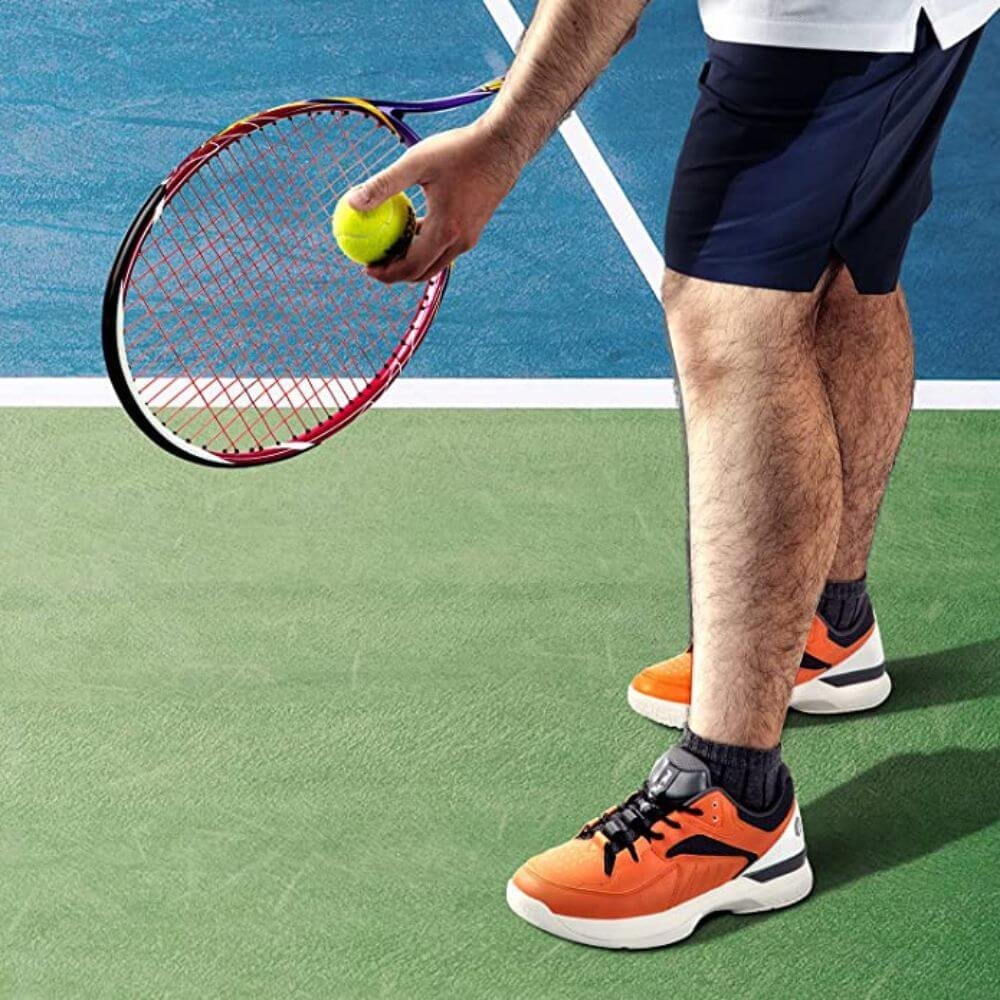
Yes, rubber sole court shoes are not just suitable but often the best choice for pickleball due to their superior grip.
You've just discovered the exhilarating world of pickleball. You're learning the dinks, mastering the serves, and enjoying the fast-paced action. But as you start playing more, you realize your old sneakers just aren't cutting it. You're slipping on quick direction changes and your feet ache after a match. This leads you to a crucial question: are rubber sole court shoes suitable for pickleball? As someone who has spent years on the court and seen countless players make footwear mistakes, I can tell you that your choice of shoe sole is one of the most important decisions you'll make for your game, safety, and comfort. This guide will break down everything you need to know, from the science behind rubber soles to how to pick the perfect pair for your playing style.
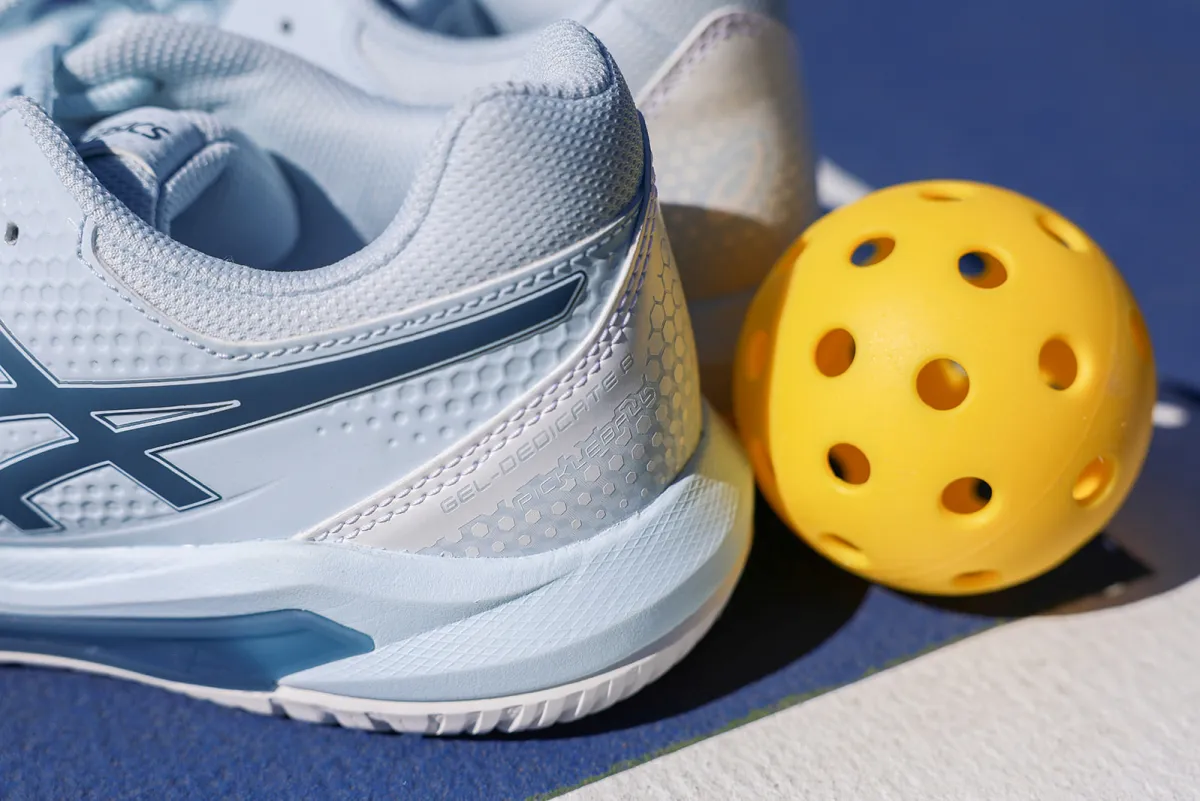
What Makes a Great Pickleball Shoe?
Before we dive deep into the sole, let's talk about the shoe as a whole. A pickleball shoe isn't just a piece of equipment; it's your foundation on the court. The sport involves constant, rapid movements—side-to-side shuffles, quick sprints to the net, and abrupt stops. The right shoe is engineered to support these specific actions.
Here are the essential components of a high-quality pickleball shoe:
- Stability: Your shoe needs to prevent your foot from rolling during lateral movements. A strong, supportive upper and a wide, stable base are critical for preventing ankle sprains.
- Support: Look for good arch support and a firm heel counter to lock your foot in place. This reduces fatigue and protects your joints from the impact of playing on a hard court.
- Cushioning: While you want to be close to the ground for stability, you still need enough cushioning to absorb shock. This is especially important for protecting your knees and back during long matches.
- Durability: Pickleball is tough on shoes. The constant dragging and shuffling, especially on outdoor courts, can wear down a shoe quickly. A durable outsole and reinforced toe guard are must-haves.
- Grip (Traction): This is where the rubber sole comes in. You need a sole that can grip the court surface without sticking, allowing you to pivot, start, and stop with confidence.
From my own experience, upgrading from generic trainers to proper court shoes was a game-changer. I felt more connected to the court, my movements were more explosive, and the post-game soreness in my feet and knees significantly decreased.
The Role of the Rubber Sole in Court Performance
So, why the big focus on rubber? Think of your shoe's sole like the tires on a car. The type of rubber and the tread pattern determine how well you can handle different conditions. On a pickleball court, the rubber sole is your primary connection to the playing surface, and its job is to provide optimal traction.
Rubber is the material of choice for court shoe outsoles for a few key reasons. It offers an excellent coefficient of friction, which is just a fancy way of saying it grips surfaces really well. This grip is what prevents you from slipping when you make a sudden cut toward the kitchen line. Furthermore, modern rubber compounds are engineered for durability, designed to withstand the abrasive texture of hard courts without wearing down too quickly.
When considering if rubber sole court shoes are suitable for pickleball, it's all about this balance between grip and give. You want a sole that holds firm when you plant your foot but allows you to pivot smoothly without torquing your knee. A well-designed rubber sole provides exactly that.

Are All Rubber Soles Created Equal?
Here’s where a little knowledge can save you from a bad purchase. Simply seeing "rubber sole" on a shoe's description isn't enough. The type of rubber and the pattern of the tread make a world of difference. Understanding this distinction is key to answering if your rubber sole court shoes are suitable for pickleball.
There are two main categories you'll encounter:
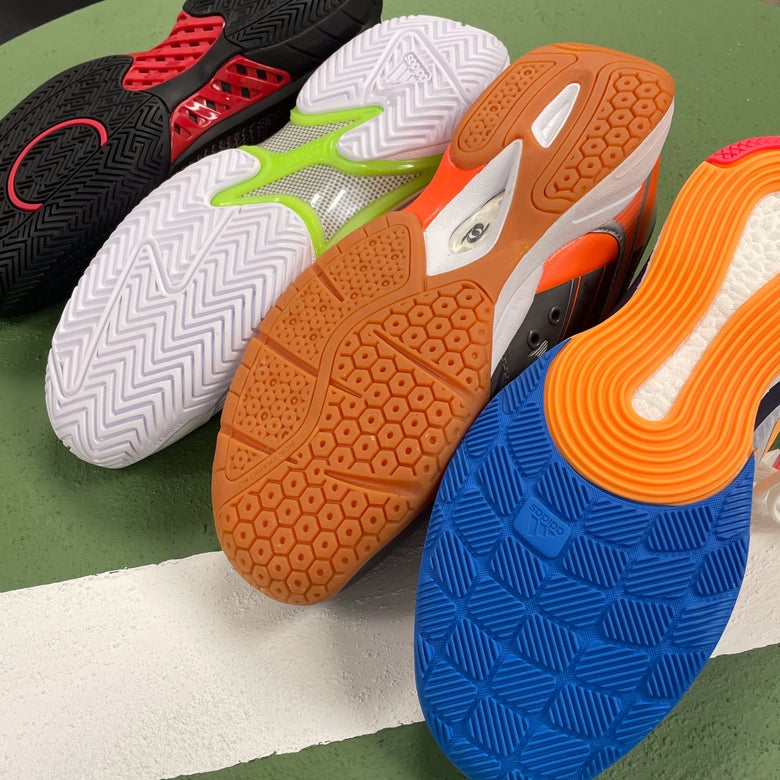
- Gum Rubber: This is a softer, stickier type of rubber. It's often light brown or tan in color. Gum rubber offers phenomenal grip, which is why it's popular for indoor court sports like volleyball and badminton. However, it's not very durable and will get shredded quickly on an abrasive outdoor pickleball court.
- Durable Rubber Compounds: Most outdoor court shoes, including those for tennis and pickleball, use a harder, more durable rubber compound. This material is specifically formulated to handle the friction of concrete or asphalt courts. These soles are almost always "non-marking," meaning they won't leave scuffs on indoor gym floors.
The tread pattern is just as important. Look for a herringbone or a modified herringbone pattern. This zig-zag design provides excellent grip in all directions, supporting the multi-directional footwork required in pickleball. It's designed to grip when you stop and slide just enough when you lunge, protecting your joints.
Court Shoes vs. Running Shoes: Why the Sole Matters
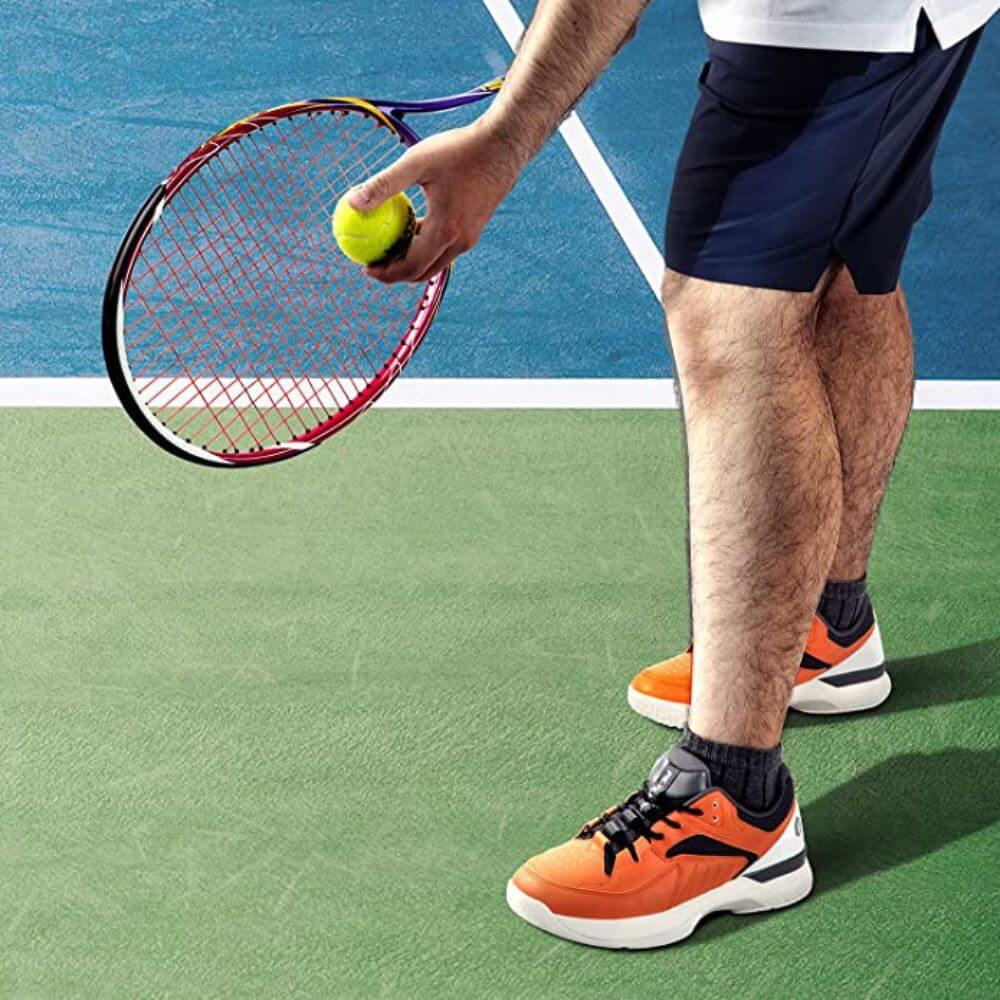
One of the most common mistakes new players make is wearing running shoes on the pickleball court. I've seen it happen time and time again, and it often leads to rolled ankles or slips. It’s like trying to use a screwdriver as a hammer—it's simply the wrong tool for the job.
Let's break down the difference, focusing on the sole:
- Running Shoes: The soles are designed for one thing: forward motion. They have thick cushioning, especially in the heel, to absorb impact from heel-to-toe striking. The treads are shaped like lugs or bars to provide traction for moving straight ahead. The sides are often soft and flexible, offering no lateral support.
- Court Shoes: The soles are designed for stability and multi-directional movement. They are flatter and have a lower profile to keep you stable. The durable rubber outsole wraps up around the sides of the shoe, providing a stable platform for pushing off laterally. The herringbone tread pattern ensures you have grip no matter which way you move.
Using running shoes for pickleball is risky. Their high profile and lack of side support make you vulnerable to ankle injuries during quick side-to-side movements. This is a clear case where knowing if rubber sole court shoes are suitable for pickleball can prevent injury and improve your game.

How to Choose the Right Rubber Sole Court Shoes for Pickleball
Now that you understand the "why," let's get into the "how." When you're shopping for your next pair of pickleball shoes, here is a simple checklist to follow to ensure you get the perfect fit for your game.
- Identify Your Court Surface: Are you playing primarily indoors or outdoors? For outdoor courts, prioritize a durable rubber compound. For indoor-only play, a softer rubber or even gum rubber can work, but a versatile non-marking shoe is usually the best all-around choice.
- Check for "Non-Marking": This is non-negotiable if you ever play on indoor gym floors. Most facilities require non-marking soles to protect their courts. You can usually find this information on the shoe's tag or sole itself.
- Examine the Tread Pattern: Flip the shoe over and look for that herringbone or a similar multi-directional pattern. Avoid deep lugs or patterns designed for running or hiking, as they can stick to the court and cause injuries.
- Prioritize Fit and Comfort: No amount of technology can make up for a poor fit. Your heel should be locked in place, and you should have about a half-inch of space between your longest toe and the end of the shoe. Try them on at the end of the day when your feet are slightly swollen for the most accurate fit.
Ultimately, the best shoe is one you forget you're wearing. It should feel like a natural extension of your foot, giving you the confidence to move freely and play your best.
)
Frequently Asked Questions of are rubber sole court shoes suitable for pickleball
Can I use tennis shoes with rubber soles for pickleball?
Yes, absolutely. Tennis shoes are an excellent choice for pickleball because they are designed for the same type of lateral movements and hard court surfaces, featuring durable rubber soles and great stability.
Are gum rubber soles good for outdoor pickleball?
No, gum rubber soles are not recommended for outdoor pickleball. They are too soft and will wear out very quickly on the abrasive surface of an outdoor court.
How do I know if my rubber sole shoes are non-marking?
Most non-marking shoes will have "non-marking" or a similar phrase printed on the sole. If not, you can test them by pressing and rubbing the sole on a piece of white paper; if it leaves a mark, it's not non-marking.
What's the difference between rubber soles on court shoes and running shoes?
Court shoe rubber soles are flat, wide, and durable with multi-directional tread patterns for stability. Running shoe soles are heavily cushioned, built for forward motion, and lack the lateral support needed for court sports.
How long do rubber soles on pickleball shoes typically last?
For a regular player (3-4 times a week), the rubber soles on a good pair of pickleball shoes will typically last between 4 and 6 months. After this, the tread wears down, and the shoe loses its grip and support.
Conclusion
The evidence is clear: rubber sole court shoes are not only suitable for pickleball, they are essential for performance and safety. The right pair will give you the traction to move confidently, the stability to prevent injuries, and the durability to withstand countless games. By understanding the difference between various rubber types and tread patterns, you can avoid common pitfalls like wearing running shoes on the court.
Your next step is to take a look at your current footwear. Do they have the support and grip you need to play your best? If not, it’s time for an upgrade. Investing in a quality pair of court shoes is an investment in your game, your health, and your enjoyment of this amazing sport. Now get out there and play with confidence