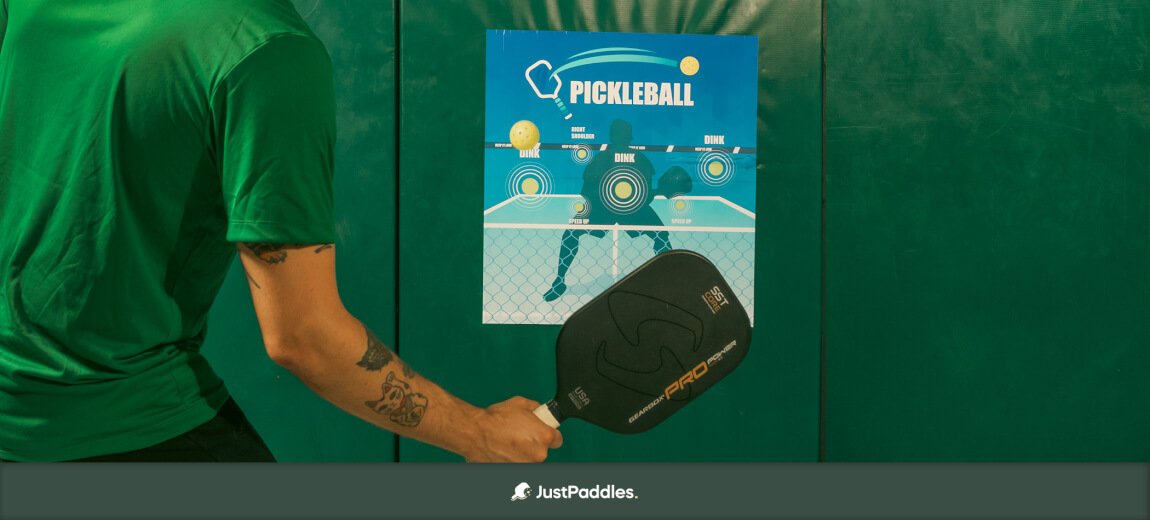
Master simple touch, paddle angle, footwork, and patience to win more points at the net.
I’ve coached players from beginners to advanced for years, and I know the coaching points for dink in pickleball that truly move the needle. This guide breaks those points down into clear steps, drills, and fixes you can use right away. Read on for practical tips, real coaching stories, and easy drills that build better dinks fast.

Why the dink matters and what to focus on
The dink is a soft, precise shot played at the net to force errors or open the court. Good dinks let you control the pace and keep opponents on the move. When I started coaching, I saw players win entire games by mastering a few simple coaching points for dink in pickleball. Focus on touch, paddle angle, balance, and decision-making to turn dinks into a weapon.
Core coaching points for dink in pickleball
Use these core coaching points for dink in pickleball every practice. Keep drills simple and repeat each element until it feels natural.
- Master the soft touch.
- Use a short, controlled motion. Let the ball sit on the paddle briefly. Practice with low power.
- Control the paddle face.
- Aim for a slightly open paddle face to soften the ball. Small changes make big differences.
- Use steady footwork.
- Move your feet first, paddle second. Small steps keep balance and allow quick recoveries.
- Keep your body low.
- Bend knees and use a strong base. A low stance helps absorb pace and control depth.
- Focus on contact point.
- Contact the ball in front of your body. This gives better control and direction.
- Practice court placement.
- Aim for the kitchen line or your opponent’s weaker side. Move them side to side.
- Read the opponent.
- Watch the opponent’s paddle and shoulders. Anticipation beats reaction.
- Emphasize patience.
- Avoid hitting winners too early. Force mistakes and wait for the right chance.
These coaching points for dink in pickleball form the backbone of repeatable skill. When players follow them, rallies get shorter for opponents and longer for you.

Technique breakdown: grip, stance, motion, and contact
Below are the technical coaching points for dink in pickleball that help shape good habits. Each part is a small habit you can practice in five minutes.
Grip
Keep a relaxed continental grip. This allows control and quick adjustments. I ask players to squeeze the grip like a bird—firm but gentle.
Stance and balance
Stand with feet shoulder-width apart. Bend your knees and stay light on your toes. This stance boosts quick recovery.
Paddle face and angle
Angle the paddle slightly open. This softens the ball and reduces bounce. Tiny wrist adjustments change direction without big swings.
Motion and follow-through
Use a short forward punch or push. Avoid long backswings. Follow through just a few inches to keep touch.
Contact point and timing
Hit the ball in front of your chest. Time the contact to meet the ball early. This gives more control on placement.
Body mechanics and core use
Use small body rotation and a steady core. Avoid swinging with the arm only. A stable core leads to repeatable dinks.
I often film players during lessons. Watching slow motion helps them see small errors. That visual feedback speeds improvement on these coaching points for dink in pickleball.

Drills to build reliable dinks
Practicing targeted drills makes the coaching points for dink in pickleball stick. Do these drills in short bursts. Consistency beats long, sloppy practice.
- Partner kitchen-to-kitchen drill.
- Stand at the kitchen. Dink cross-court with a partner for 2 minutes. Focus on soft touch and steady feet.
- Drop-and-dink.
- Drop the ball in front of you and practice a soft dink over the net. Repeat 20 times. This isolates touch.
- Target spots drill.
- Place cones near the kitchen line. Aim for cones in sets of five. Keep the paddle face steady.
- Short-to-short rally.
- Rally with short dinks only. No power shots allowed. This builds patience.
- Two-ball control drill.
- Partner feeds two slow balls in rapid sequence. You control both with soft dinks. This trains recovery.
I used the kitchen-to-kitchen drill on court with a new player. After ten minutes she relaxed her wrist and her dinks improved. Small wins like that show the value of specific practice.
Common mistakes and fixes
Spotting common errors helps coaches correct players fast. These fixes match the most frequent problems I see.
- Mistake: Over-swinging.
- Fix: Shorten the swing and use the wrist as a shock absorber.
- Mistake: Standing too upright.
- Fix: Bend the knees and lower the center of gravity before contact.
- Mistake: Hitting from the back foot.
- Fix: Step forward into the shot and hit from a balanced stance.
- Mistake: Poor paddle angle.
- Fix: Practice holding a slightly open face while stationary.
- Mistake: Rushing to finish the point.
- Fix: Count to two in your head before attempting a put-away.
Using these coaching points for dink in pickleball, you can correct bad habits quickly. I often drill the corrected motion in short, repetitive sets to build muscle memory.

Progressions and practice plans
Structure practice to build skills in steps. These progressions use coaching points for dink in pickleball in order.
- Focus on touch
- 5 minutes: drop-and-dink. Keep motion tiny.
- Add stance and footwork
- 10 minutes: kitchen-to-kitchen with movement. Step, then hit.
- Add placement
- 10 minutes: target spots drill. Aim for cones.
- Add pressure
- 10 minutes: short-to-short rally with point scoring. Force patience.
- Match simulation
- 15 minutes: play points starting at the kitchen line. Use learned skills.
When I coach groups, I run this sequence in 40 minutes. Players show clear progress by the end. The key is short, focused reps that hit the key coaching points for dink in pickleball.

Coaching different player levels
Tailor coaching points for dink in pickleball to skill level. Small changes make big gains.
- Beginners
- Teach grip, stance, and a short motion first. Use slow, repetitive drills and praise small wins.
- Intermediate players
- Add placement and footwork. Start cross-court pressure drills and introduce strategic choices.
- Advanced players
- Focus on disguise, tempo changes, and angle. Practice faint dinks and sudden soft drops to exploit weak returns.
I once worked with a mixed-level clinic. Pairing a beginner with an advanced player sped learning for both. The advanced player practiced control, and the beginner mirrored simple mechanics.

Equipment, court awareness, and small tweaks
Small gear and court choices affect dink performance. Here are practical coaching points for dink in pickleball that often get overlooked.
- Paddle choice
- Use a paddle with a soft feel for better touch. Try different grips to see what fits your hand.
- Shoes and traction
- Non-slip shoes help small steps and stability at the kitchen.
- Court position
- Stay close to the kitchen line but not on the line. Being too far back weakens touch.
- Communication with partner
- Call shots and set up who takes third shot. Good talk prevents collisions and opens options.
I tell players that tiny gear tweaks often unlock big improvements. A better grip or different shoe can make dinks more reliable.
Frequently Asked Questions of coaching points for dink in pickleball
How much should I move my paddle on a dink?
Keep the paddle motion short and steady. A soft push or punch with minimal backswing gives the best control.
How low should my stance be for a dink?
Bend your knees and stay light on your toes. A slightly low stance improves balance and touch.
How do I practice placement under pressure?
Use short-to-short drills with scoring rules. Force players to keep rallies alive and reward smart placement.
What grip is best for a dink?
A relaxed continental grip works well for most players. It allows control and quick changes in angle.
How long will it take to improve my dink?
With focused practice, you can see improvement in weeks. Short daily sessions of 10–20 minutes speed progress.
Should I use my wrist or arm for touch?
Use a soft wrist with small arm motion. Relying on the body for stability helps create a repeatable touch.
Conclusion
Mastering the dink means working small details. Focus on touch, paddle angle, stance, timing, and placement. Use short drills and steady progressions to lock in the coaching points for dink in pickleball. Start today with a 10-minute routine and notice the difference in your next game. Try one drill from this guide, leave a comment about your progress, or subscribe for more practical coaching tips.