Get rated by playing sanctioned matches, creating an account, and recording tournament or league results.
I’ve worked with players at every level to explain how do you get a rating for pickleball. I’ll walk you through the main rating systems, the exact steps to earn a rating, practical tips from real tournament play, and common mistakes to avoid. If you want a clear path to an official number that reflects your skill, read on—this guide breaks down everything simply and practically.

What is a pickleball rating?
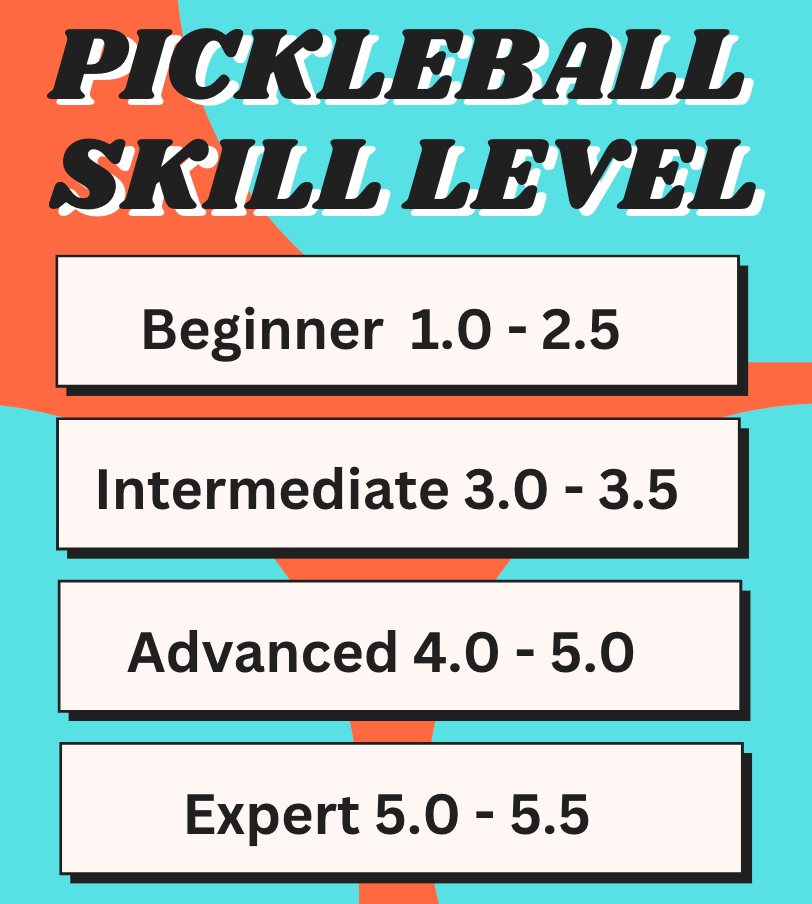
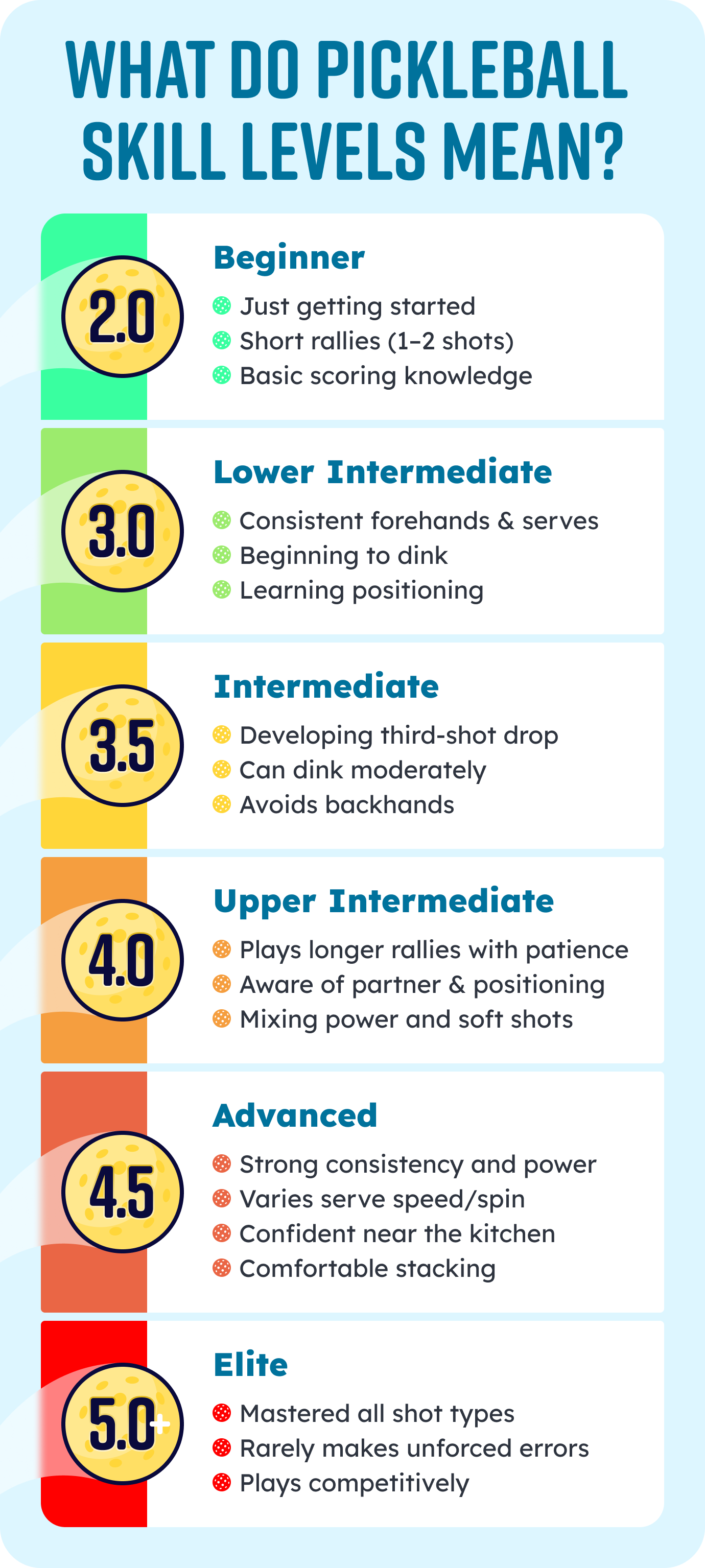
A pickleball rating is a number that reflects your skill level. It helps players, partners, and tournament directors place you in the right division. Ratings come from match results, algorithms, and sometimes self-assessments.
Knowing how do you get a rating for pickleball matters. A good rating opens doors to properly matched games and fair tournaments. It also gives you a clear way to track progress over time.
Major rating systems and how they work
There are several systems used to rate players. Each uses match data and rules to calculate a number.
- USA Pickleball Ratings
- Many tournaments use the national system tied to membership and sanctioned events.
- Results from sanctioned events feed into your official rating.
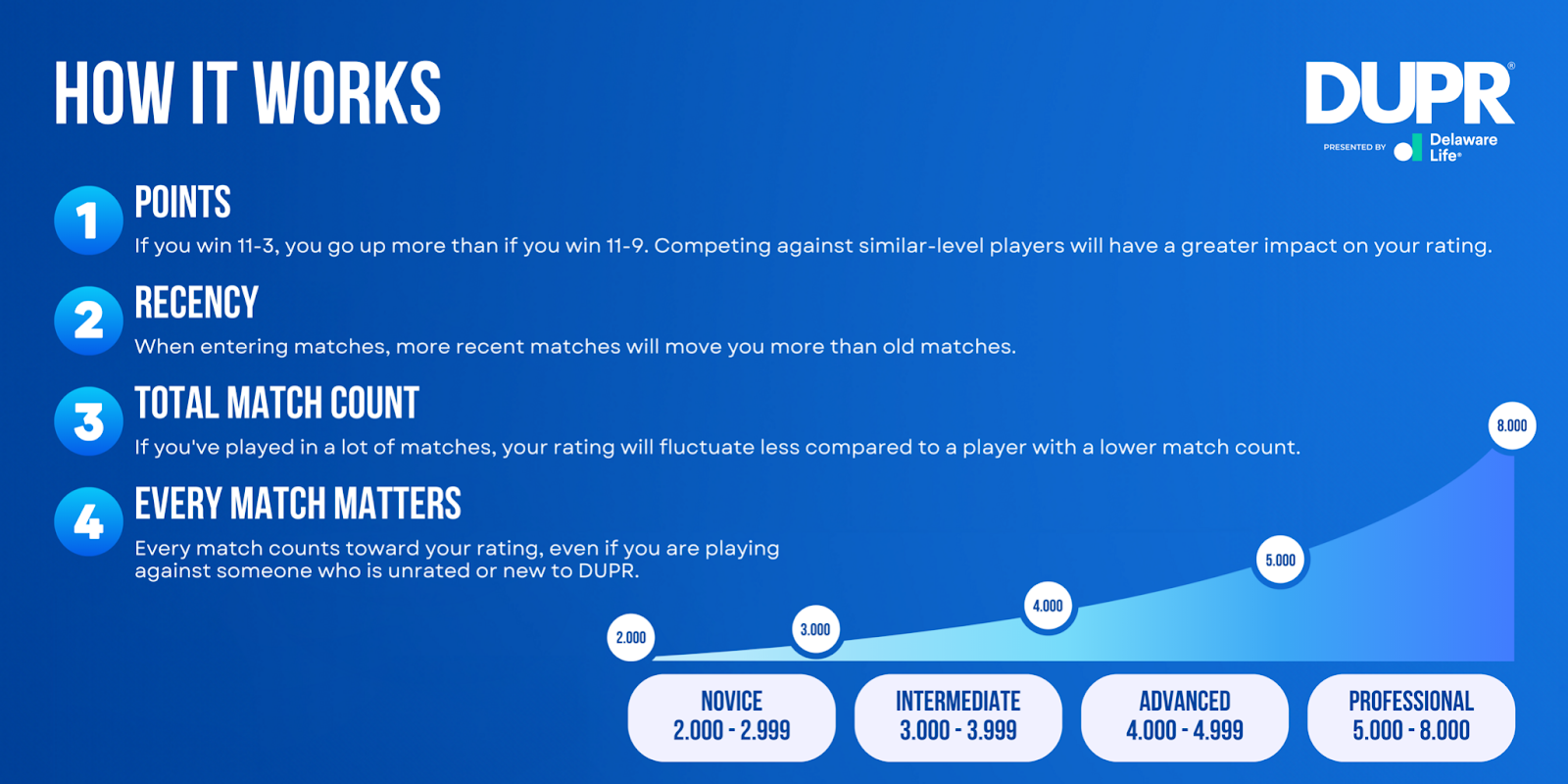
- Universal Pickleball Rating (UPR)
- UPR calculates ratings from reported matches across many tourneys.
- It focuses on head-to-head results and relative opponent strength.
- Other local and third-party systems
- Some clubs and leagues run their own ratings for internal play.
- Tennis NTRP-style labels are sometimes used but are less precise.
Understanding how do you get a rating for pickleball starts with picking the system you want to appear in. Match play is the main input across all systems.

Step-by-step: how do you get a rating for pickleball
Follow these clear steps to get a rating.
- Create accounts and become a member where needed
- Sign up for USA Pickleball if you plan to play sanctioned events.
- Register with UPR or other rating services if you want additional exposure.
- Play matches that count
- Enter sanctioned tournaments or rated events.
- Join club leagues that report results to your chosen system.
- Report or verify match results
- Many events automatically report results to rating systems.
- If not, manually upload scores or enter match outcomes on the rating portal.
- Wait for processing
- Ratings often update after a set number of matches or on a schedule.
- You may see a provisional rating at first, which refines with more results.
- Track and refine
- Play different partners and opponents to stabilize your rating.
- Use practice matches and league play to improve specific skills.
If you wonder how do you get a rating for pickleball fast, focus on playing more rated matches and beating players with stable ratings. More quality match data speeds up a reliable number.
Tips from experience to get a fair and accurate rating
I’ve helped players move from unranked to reliable ratings. These tips work.
- Choose events wisely
- Play tournaments with consistent reporting.
- Avoid casual events that don’t submit scores.
- Be honest and persistent
- Report scores accurately. Errors slow the process.
- Keep playing to replace provisional numbers with true ratings.
- Focus on match variety
- Play singles and doubles when possible.
- A wide pool of opponents gives a truer rating.
- Use practice to target weaknesses
- Improve serve returns and dinking under pressure.
- Small skill gains often change match outcomes and ratings.
- Watch and learn
- Study higher-rated play to understand patterns and tactics.
- Apply those lessons in rated matches.
These practical tips directly answer how do you get a rating for pickleball in a reliable way.
Common mistakes and pitfalls
Avoid these errors that slow or distort your rating.
- Playing only unreported matches
- Friendly matches often don’t count for ratings.
- Relying on a single event type
- Only playing one tournament format gives a narrow picture.
- Not verifying your account or scores
- Missing verifications can leave you unranked.
- Trying to game the system
- Sandbagging or falsifying results undermines fairness.
- Ignoring provisional status
- Expect early fluctuations; one event won’t define you.
Remember that how do you get a rating for pickleball is largely about consistent, honest play over time.

How to use your rating for tournaments and league play
Your rating guides where you compete and who you partner with.
- Find the right divisions
- Use your number to enter appropriate skill tiers.
- Avoid over- or under-matched play for better growth.
- Pick balanced partners
- Pair with players whose ratings complement yours.
- Consider combined team ratings for doubles events.
- Use ratings for seeding and strategy
- Study opponents’ ratings to prepare tactics.
- Ratings help tournament directors set fair draws.
- Track progress
- Use rating changes as short-term goals.
- Set small targets like gaining 0.1–0.3 points per season.
If you still ask how do you get a rating for pickleball and how to use it, treat it like a roadmap. The number helps you compete smarter and improve faster.

Frequently Asked Questions of how do you get a rating for pickleball
How long does it take to get an official rating?
Most systems assign a provisional rating after a few reported matches. A stable rating usually appears after several tournaments or 5–10 rated matches.
Do practice matches count toward a rating?
Practice matches count only if they are played in sanctioned or reporting events. Casual practice typically does not affect official ratings.
Can I get multiple ratings from different systems?
Yes. You can appear in USA Pickleball, UPR, and local systems simultaneously. Each system uses its own data and formulas.
Will winning easy matches boost my rating quickly?
Beating low-rated opponents has limited effect. Ratings change more when you beat players with stable and higher ratings.
What if my rating seems wrong?
Verify your match records and contact the rating organization. Often discrepancies come from unreported or mis-entered scores.
Can I request a re-evaluation of my rating?
Some systems allow reviews or appeals, especially if you have unreported or misrecorded match data. Check the rating platform’s policies.
Conclusion
Getting a rating is a simple path: sign up, play reported matches, and track results. Your rating becomes a tool to find fair games, enter the right tournaments, and measure progress. Start by registering with an official system, play a mix of rated events, and focus on honest, consistent match play. Take action this week: create your account, sign up for one rated event, and begin building a rating that truly reflects your skill. Leave a comment or share your rating journey to help others learn.