
USAPA-approved indoor or outdoor pickleball balls are used in official competition play.
I’ve played and coached at many levels, and I’ll guide you through exactly which pickleball ball used for competition, why it matters, and how to pick the right ball for your event or skill level. This article draws on rules, testing experience, and hands-on playtesting to help you choose a competition ball with confidence.
Why official balls matter
Choosing the correct ball affects fairness, safety, and play quality. Tournament organizers use approved balls so every match plays the same way. Knowing which pickleball ball used for competition helps players avoid surprises on game day.
Using the right ball keeps spin, speed, and bounce consistent. Players who practice with the approved ball perform better in tournaments.
USAPA-approved competition balls
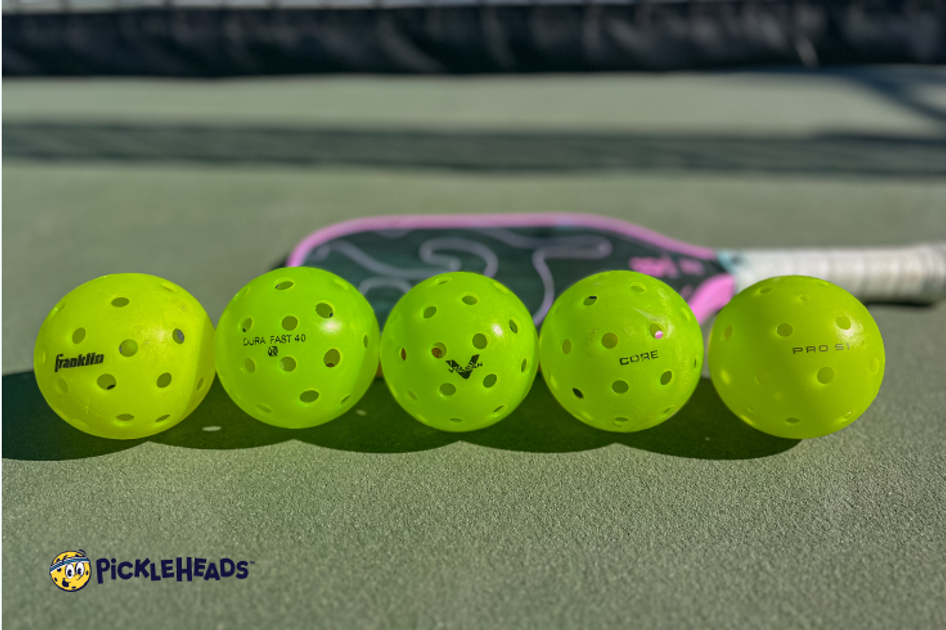
Competition balls must meet standards set by the governing body for regulation play. These standards test size, weight, hardness, bounce, and durability. When asking which pickleball ball used for competition, the short answer is: any ball that carries official approval by the sanctioning body.
Look for labels or approvals on the packaging that confirm tournament use. Tournament directors will list allowed models before play. If you want to be safe, bring extra approved balls to warmups and matches.

Indoor vs outdoor competition balls
Indoor and outdoor competition balls differ in feel and construction. Indoor balls tend to be softer. They have a lower rebound so rallies last longer. Outdoor balls are firmer to resist wind and rough courts. They are built to keep a truer flight under sun and breeze.
When you think about which pickleball ball used for competition, pick the type that matches the venue. Using an outdoor ball indoors or vice versa can change speed and control for both players. Practice with the same ball you’ll use in a match to lock in timing.
Key features to check before tournament play
- USAPA or sanctioning approval
- Ensures consistent size, weight, and bounce for competition.
- Material and hardness
- Harder balls travel faster and hold up outdoors. Softer balls control spin better indoors.
- Hole pattern and durability
- Design affects aerodynamic drag and flight stability.
- Brand consistency
- Established competition balls often offer the most uniform batches.
Always confirm which pickleball ball used for competition by checking your tournament’s equipment list. Bringing a few approved balls is a smart backup plan.

How I choose competition balls: personal experience
I’ve played weekend tournaments and regional events using a few approved models. Early on, I brought balls I liked from practice and lost points because opponents adjusted faster. I learned to confirm the event’s approved list and to warm up with the exact ball used in play.
Practical tips from my experience:
- Test a ball for five to ten minutes before match time to adapt to speed and bounce.
- Watch warmups to see if both players find a comfortable pace.
- Bring a marker or bag tag so officials don’t mix your warmup balls with tournament balls.
These small habits cut down on surprise changes that can cost points.
Choosing the right ball for your level and style
- Beginners
- Use a slightly softer, slower ball to build control and rallies.
- Intermediate players
- Practice with approved outdoor and indoor balls to handle different tournament conditions.
- Advanced players
- Focus on consistency. Choose balls with predictable bounce and minimal deformation.
When deciding which pickleball ball used for competition, consider your style. Dinks and soft hands benefit from slower balls. Power players may prefer firmer balls that hold speed.
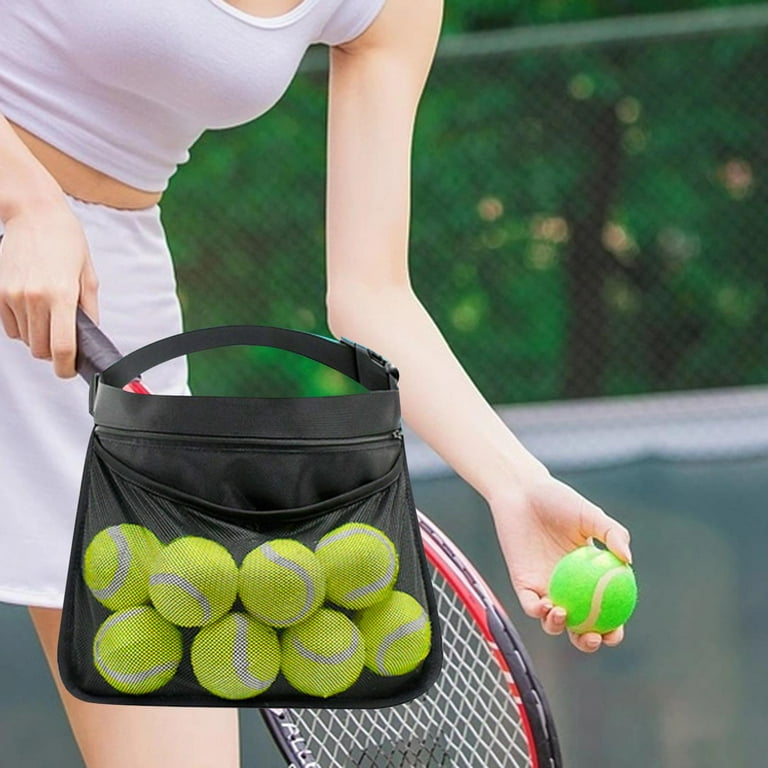
Care and maintenance for competition balls
- Store in a cool, dry place to retain shape and feel.
- Rotate older balls out of match bags to maintain consistent play.
- Inspect balls for cracks, warps, or uneven hole patterns before matches.
Good care keeps tournament balls consistent longer. Knowing which pickleball ball used for competition also means knowing how to keep it match-ready.

Frequently Asked Questions of which pickleball ball used for competition
What label should I look for to confirm a competition ball?
Look for official approval markings from your sport’s governing body on the ball or box. Tournament hosts will list approved models in event materials.
Can I use any ball from practice in a tournament?
No. Tournament rules usually require approved balls. Check the event’s approved list and use only listed models for matches.
Are indoor and outdoor competition balls interchangeable?
They can be used in a pinch, but they behave differently. Play will feel faster with outdoor balls and softer with indoor balls, so it’s best to use the correct type for the venue.
How many balls should a tournament organizer provide?
Organizers commonly supply a set of approved balls and allow players to use their own approved balls for warmups. Bringing extra approved balls is wise.
How often should balls be replaced during a tournament?
Replace balls when they show wear that affects play, such as cracks or uneven bounce. Some events change balls after a set number of games based on tournament rules.
Conclusion
Choosing the right ball comes down to approval, venue, and personal feel. Confirm which pickleball ball used for competition with your event, practice with that ball type, and keep extras on hand to avoid surprises. Start applying these tips at your next match and notice the difference in your comfort and performance. If this helped, try one approved model in your next training session and share your results or questions below.