Yes, swapping sides in pickleball halfway thru the score is standard for fairness.
If you’ve ever wondered when and why teams switch ends, you’re in the right place. I’ve coached and played hundreds of matches, and I’ll break down swapping sides in pickleball halfway thru the score with clear rules, real examples, and simple tips you can use today. Let’s make side switches smooth, legal, and strategic.

What the official rules say about swapping sides
The USA Pickleball rulebook allows side changes to keep play fair. In most formats, you switch ends at set points that mark the halfway point of the game or match.
Here’s the short version you can trust:
- Best 2-of-3 games to 11: Switch ends after each game. In the deciding third game, switch when the first team reaches 6.
- One game to 15: Switch ends when the first team reaches 8.
- One game to 21: Switch ends when the first team reaches 11.
- Tournaments usually give a short break for the switch. Many events allow up to 1 minute, but always follow the event’s instructions.
This means swapping sides in pickleball halfway thru the score is not random. It follows a clear pattern to neutralize sun, wind, and lighting. Always check the latest USA Pickleball rules or your event’s sheet, since local formats can vary.
Why players swap sides halfway
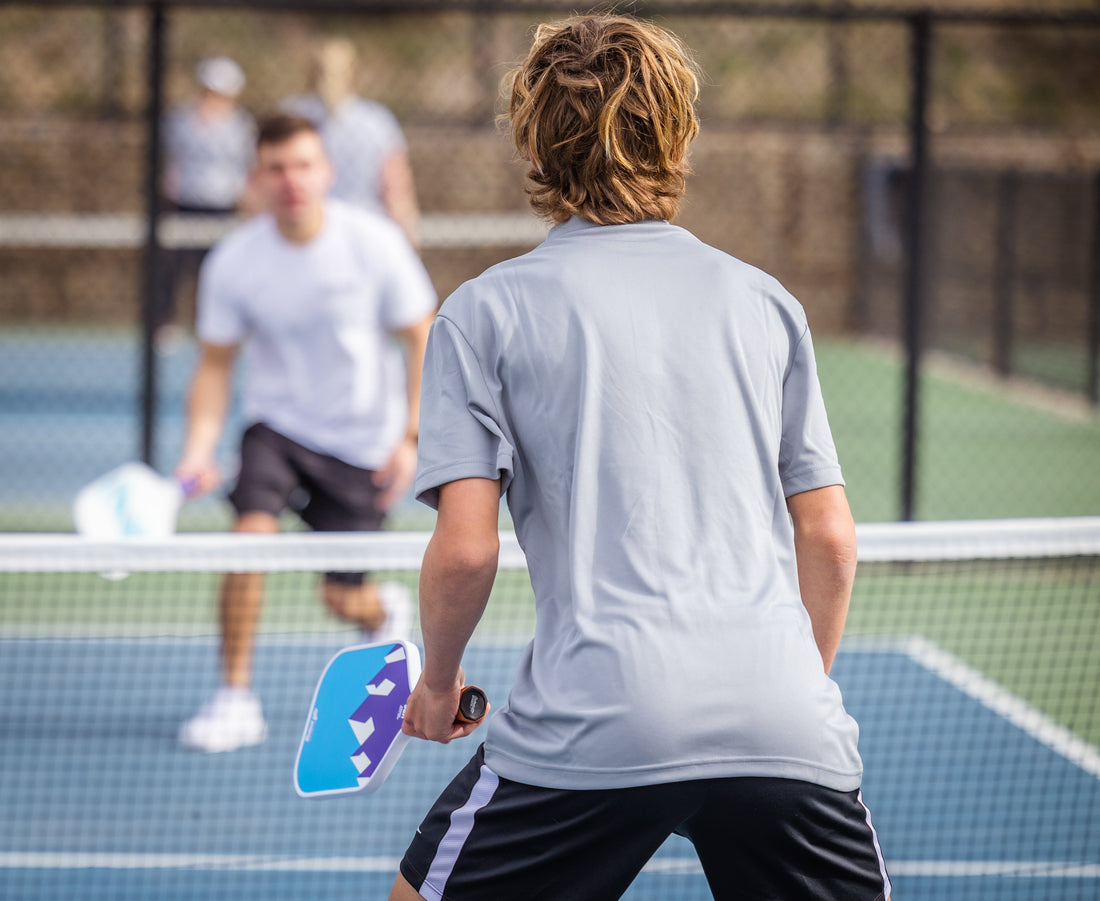
Courts are not equal. One end can have glare, wind, or deep shadows. Swapping sides in pickleball halfway thru the score balances these factors so no team gets stuck with a bad end for the whole game.
Common reasons to switch ends:
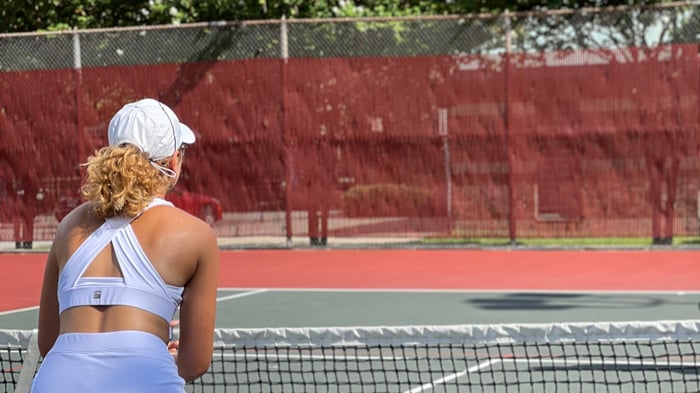
- Sun and glare make it hard to see the ball.
- Wind changes ball flight and pushes lobs deep or short.
- Shadows and lights affect depth and timing.
- Noise and distractions differ across ends.
In indoor play, you might still switch ends to balance lighting, background color, and sound.

How the switch works in doubles and singles
The switch is simple. You move to the other end and keep the correct server and receiver based on the current score.
Key points to remember:
- The server and receiver do not reset. The correct player continues serving from the correct side.
- Positions mirror. If your team’s even score had you on the right, you stay on the right relative to your new end.
- The ball is in play only after the ref (if present) calls the score, or after all players are ready in rec play.
- In events, you may have a brief changeover window. Use it well.
Practical steps:
- Confirm the score out loud before moving.
- Walk to the new end with your paddle and water.
- Re-check server, receiver, and positions.
- Call out the score. Start the point.
Swapping sides in pickleball halfway thru the score does not change who serves next; it only changes court ends.
Common scenarios and how to handle them
Let’s look at real situations you will see on court.
- One game to 11 in casual play: You can agree to switch at 6 to keep it fair. Set this before the first serve.
- Game to 15 or 21: Switch at 8 or 11, as the rules state. Keep an eye on the scoreboard.
- Someone forgets to switch: Stop play before the next serve. Move to the correct ends. Resume with the same server or receiver.
- After a long rally: Take a breath. Confirm score and positions. Then serve.
- Wrong player serving after a switch: Fix it before the return is hit if possible. If the rally is already played, follow the correction procedure used in your local rules or tournament guidance.
I’ve made the mistake of not switching at 6 in a deciding game. We played on, got confused, and had to correct positions mid-match. Now I call out “six, switch” every time. It keeps everyone in sync.
Swapping sides in pickleball halfway thru the score works best when both teams communicate clearly.

Strategy tips for swapping sides in pickleball halfway thru the score
Side switches are a chance to reset and adjust. Treat them like a mini time-out.
Try these tips:
- Plan your first two shots. Agree on serve targets and return depth after the switch.
- Adjust for wind. Serve lower into the wind. Add margin when hitting with the wind.
- Manage sun. Use higher net clearance and aim away from glare. Wear a brimmed hat or visor.
- Change third-shot mix. If dinks are tough into the sun, try deeper thirds, then drop once you read the ball better.
- Use a quick cue. Simple calls like “deep returns” or “middle first” keep both partners aligned.
Common mistakes to avoid:
- Rushing the next serve without checking positions.
- Forgetting score parity and ending up on the wrong side.
- Ignoring the new background, which can hide the ball.
In my coaching sessions, swapping sides in pickleball halfway thru the score often flips momentum. A team stuck in the wind suddenly finds rhythm. Use that moment to press with smart, high-percentage shots.

Tournament rules vs. rec play
In tournaments, end changes follow the rulebook and any event-specific sheets. Referees will control when to switch and how long you have. Ask before your match if you are unsure.
In rec play, you have more freedom:
- Agree on switching at 6 in a game to 11 if sun or wind is strong.
- Use clear language before the first serve so no one is surprised.
- If players rotate in or out, restate the plan for the next game.
Swapping sides in pickleball halfway thru the score in rec play is about fairness and fun. Keep it friendly and consistent.
Drills to practice smooth side switches
You can train side switches like any other skill. Make it automatic.
Simple drills:
- Six-and-switch games: Play to 11 and switch at 6 every time. Call “six, switch” out loud.
- Serve-box mirror: After switching, announce the server box and have your partner confirm.
- Sun and wind rounds: Run two points at each end, switching ends often to learn quick adjustments.
- Time check: Practice switching in under 30 seconds while still setting a clear first-serve plan.
When you practice swapping sides in pickleball halfway thru the score, your match flow improves and errors drop.
Gear and setup tips for smoother swaps
Small gear choices can make big differences after a switch.
Helpful items:
- Polarized sunglasses to cut glare.
- A brimmed hat or visor for high balls.
- A small towel for sweat and sunscreen.
- Extra overgrip for humid or windy days.
- Water ready at both ends during long matches if allowed.
If your club allows it, pick ball colors that show well against the background. That helps a ton right after a switch. Swapping sides in pickleball halfway thru the score is easier when you can see and grip well.
Frequently Asked Questions of swapping sides in pickleball halfway thru the score
Do you always switch at 6 in a game to 11?
Only in the deciding game of a best 2-of-3 match. Otherwise, you switch ends after each game, not at 6.
Can we agree to switch at 6 in casual games?
Yes, if everyone agrees before play starts. Many groups use that plan to balance sun and wind.
Who serves after we switch ends?
The correct server continues based on the score. The side switch does not reset the serve.
What if we forget to switch at the right time?
Stop before the next serve and move to the correct ends. Confirm server, receiver, and positions, then resume.
How long is the break when switching ends?
Events often allow up to about a minute, but it depends on the tournament. In rec play, keep it quick and mutual.
Does switching ends affect positions in doubles?
No. Positions mirror to the other end. Even score stays on the right; odd score on the left.
Is swapping sides in pickleball halfway thru the score allowed in singles?
Yes. The same rules apply. You switch ends at the same score marks as in doubles.
Conclusion
Swapping sides in pickleball halfway thru the score keeps matches fair and fun. Know the official switch points, confirm positions, and use the moment to reset your plan. A quick check of score, serve box, and sun or wind gives you an edge.
Try one tip from this guide in your next match and notice the difference. If this helped, share it with your group, subscribe for more practical pickleball breakdowns, or drop a comment with your own side-switch routine.