
A gravel base for a pickleball court typically costs between $2,500 and $6,000 for materials and professional installation.
Pickleball is sweeping the nation, and you’re ready to join the fun by building your own court. But before you start dreaming of dinks and drop shots, there's a crucial foundation to consider. I’ve been in the court construction world for years and have seen firsthand how a solid base makes or breaks a court. Understanding the true cost of a gravel base for a pickleball court is the first, and most important, step in your project. This guide will break down every dollar, from the type of stone to the cost of labor, so you can build a durable court without any financial surprises.
What is a Gravel Base and Why is it So Important?
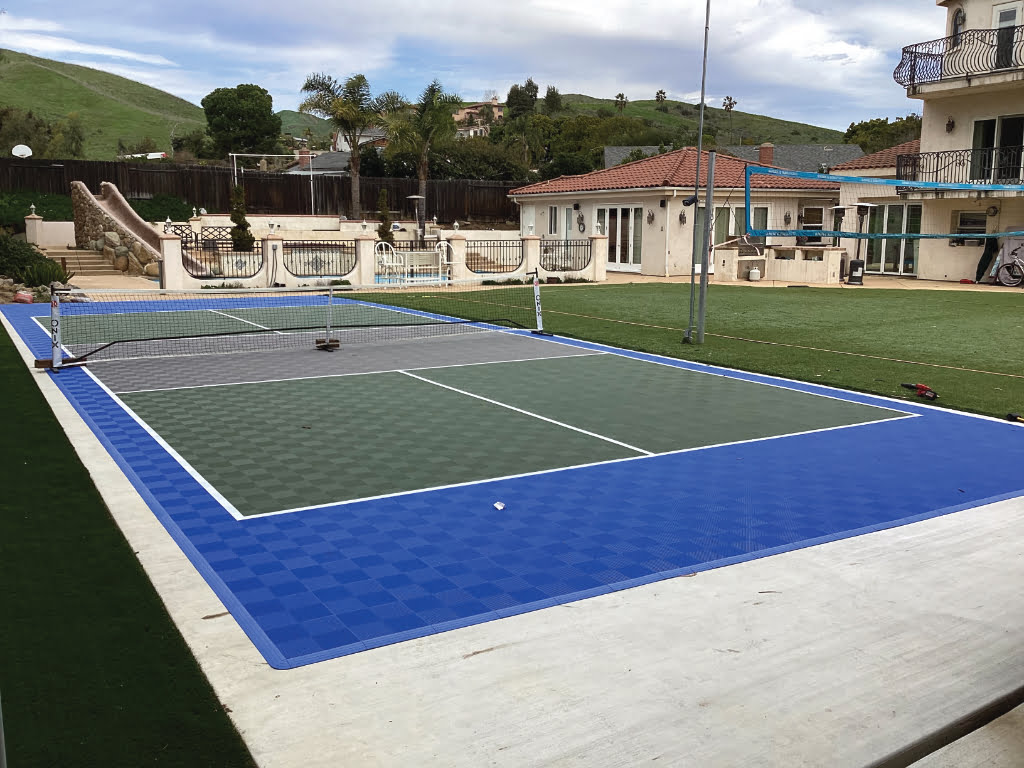
Think of a gravel base as the unsung hero of your pickleball court. It’s the strong, stable layer underneath the final playing surface, like concrete or asphalt. Its main job is to provide excellent drainage, preventing water from pooling and cracking the court over time. A well-built base also creates a perfectly level and compacted foundation, ensuring a true bounce and a long-lasting playing area.
I’ve seen people try to cut corners on the base to save money, only to face huge repair bills later. A weak foundation leads to cracks, dips, and an unplayable surface within just a few years. The cost of a gravel base for a pickleball court is a smart investment in the longevity and quality of your entire project. It's the difference between a court that lasts for decades and one that needs constant, expensive repairs.
Breaking Down the Cost of a Gravel Base for a Pickleball Court
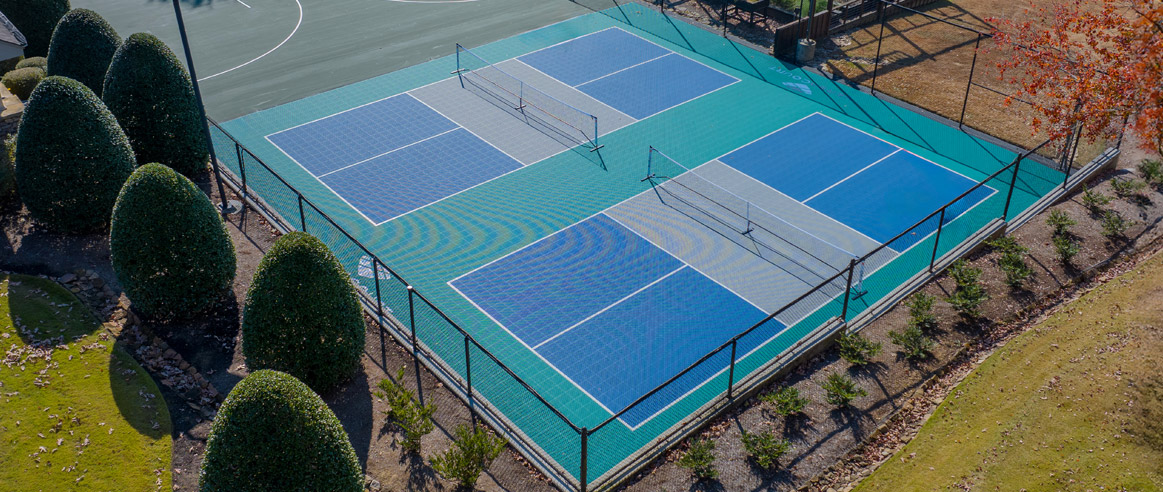
So, what exactly are you paying for when you get a quote? The total price isn't just about a pile of rocks. Several key factors influence the final cost of a gravel base for a pickleball court. Let’s look at each one.
Gravel Type and Quality
Not all gravel is created equal. The most common type used for court bases is a mix of angular, crushed stone, often called "crusher run" or "#57 stone." This type of stone interlocks tightly when compacted, creating a super stable surface. You can expect to pay between $40 to $70 per ton, but prices vary. Cheaper options like rounded river rock are a no-go, as they shift around and don't provide the necessary stability.
Court Size and Base Depth
A standard pickleball court playing area is 20 feet by 44 feet. However, you need extra space around the perimeter for runoff, bringing the total pad size closer to 30 feet by 60 feet. The depth of your gravel base is also critical. A typical base requires a depth of 4 to 6 inches, which ensures proper drainage and support. A larger court or a deeper base will naturally require more gravel, increasing material costs.
Labor and Equipment Costs
This is a significant portion of the budget. Professional installation involves heavy machinery for excavation, grading, and compaction. Labor rates can range from $50 to $100 per hour per person, depending on your location and the contractor's experience. A professional crew can get the job done efficiently and correctly, which is often worth the expense. Remember, a poorly compacted base is a failed base.
Geographic Location
Where you live matters. The cost of materials, delivery fees, and labor all fluctuate based on your region. A project in a major metropolitan area will likely cost more than one in a rural setting. It's always a good idea to get quotes from a few local contractors to understand the pricing in your specific area.
Site Preparation Needs
Is your backyard perfectly flat, or is it on a slope? Site prep can be a major variable in the cost of a gravel base for a pickleball court. If your site needs extensive clearing of trees, significant grading to level a slope, or removal of large rocks, your costs will go up. A simple, flat site is always the most budget-friendly starting point.

A Step-by-Step Guide to the Installation Process
To understand the costs, it helps to know what the work involves. Building a proper gravel base is a multi-step process that requires precision and the right tools. Here is how a professional team typically handles the job.
- Site Survey and Layout: The first step is to mark the exact dimensions of the court. This ensures everything is square and correctly positioned before any digging begins.
- Excavation: The team will use an excavator or skid steer to dig out the court area to the required depth, usually about 6 to 8 inches to account for the gravel and the final surface.
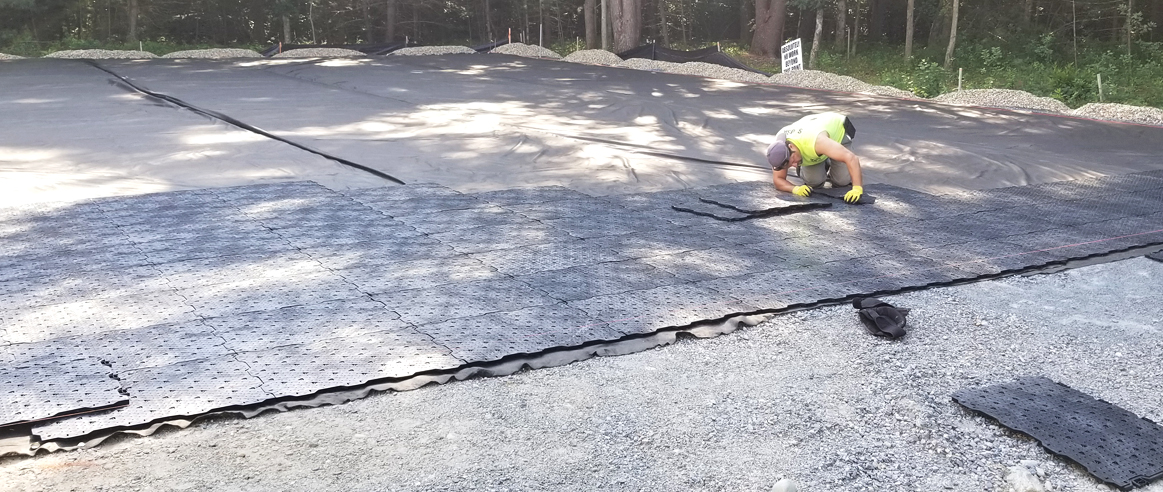
- Laying Geotextile Fabric: This is a step many people miss. A special fabric is laid down over the soil before the gravel is added. It prevents the stone from mixing with the dirt below and helps with drainage and stability.
- Spreading and Compacting the First Layer: The first layer of coarse gravel is spread evenly across the area. It is then compacted with a heavy-duty plate compactor or roller until it is solid.
- Spreading and Compacting the Top Layer: A second layer of slightly finer gravel is added on top. This layer is also heavily compacted to create a smooth, dense, and level surface ready for the asphalt or concrete.
- Final Grading: The crew will use lasers and other tools to ensure the base has a slight, imperceptible slope (usually 1% from side to side or from the center out) for perfect water runoff.
DIY vs. Hiring a Professional: A Cost Comparison
The idea of a DIY project can be tempting. You might think you can save a lot on the cost of a gravel base for a pickleball court by doing it yourself. While you can save on labor, there are other costs and risks to consider.
For a DIY project, you'll still need to buy the gravel and have it delivered. You will also have to rent the necessary equipment, like a mini-excavator and a heavy plate compactor, which can cost several hundred dollars per day. I once saw a homeowner try to compact a base with a small, handheld tamper. The result was a wavy, unstable surface that had to be completely redone by a professional crew, costing them double in the end.
Hiring a professional ensures the job is done right the first time. They have the experience, the high-powered equipment, and the know-how to handle any issues that arise, like poor soil conditions. While the upfront cost is higher, the peace of mind and guarantee of a quality, long-lasting court are often priceless.
Hidden Costs to Watch Out For
When budgeting for your court, it’s easy to overlook a few potential expenses. These hidden costs can sneak up on you and inflate the total cost of a gravel base for a pickleball court.
Here are a few things to keep in mind:
- Permits: Depending on your local municipality, you may need a building permit for a project of this scale.
- Drainage Solutions: If your property has known water issues, you might need to install a French drain or other drainage system around the court, adding to the cost.
- Material Delivery Fees: The price per ton of gravel often doesn't include delivery. Be sure to ask about this, as it can add a few hundred dollars to your material bill.
- Soil Testing and Remediation: In rare cases, the soil on your site might be unstable and require special treatment or removal before the base can be installed.
Frequently Asked Questions of cost of gravel base for pickel ball court
How much gravel do I need for a pickleball court base?
For a standard 30×60 foot base at a 4-inch depth, you will need approximately 22 cubic yards or about 30 tons of gravel. It's always best to have your contractor calculate the exact amount needed for your specific project.
Can I use something other than gravel for the base?
Gravel is the industry standard due to its excellent drainage and compaction properties. While other materials exist, crushed angular stone provides the best long-term stability for a court surface like concrete or asphalt.
How deep should the gravel base be?
A depth of 4 to 6 inches is recommended for a pickleball court base. This provides enough support and drainage for most climates and soil conditions.
Does the cost of a gravel base for a pickleball court include the final surface?
No, this cost is only for the sub-base preparation. The final playing surface, such as concrete, asphalt, or post-tensioned concrete, is a separate and significant additional expense.
How can I save money on my gravel base?
The best way to save money without sacrificing quality is to do the initial site clearing yourself if you are able. You can also get multiple quotes from different contractors to ensure you are getting a competitive price.
Conclusion
Building a pickleball court is an exciting project, and it all starts with a solid foundation. While the cost of a gravel base for a pickleball court can seem like a big investment, it’s the most critical part of ensuring your court will provide years of enjoyment. By understanding the factors that influence the price—from materials to labor—you can create a realistic budget and make informed decisions.
Don't let the initial numbers scare you. The real value is in a job done right. We encourage you to get quotes from at least three reputable local contractors to compare prices and find the best fit for your project. Start planning today, and you'll be on your way to playing on a court built to last