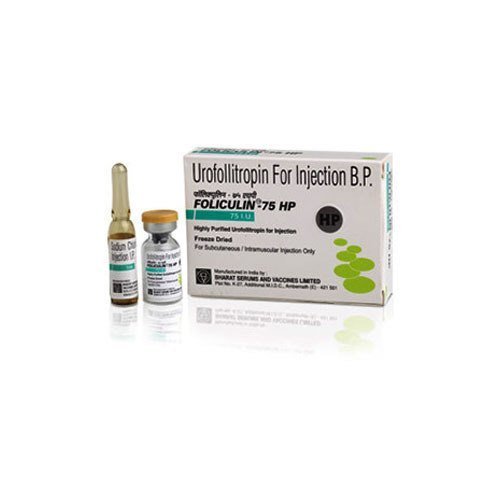
After a foliculin injection, your body is triggered to release a mature egg, usually within 24-36 hours.
Navigating the world of fertility treatments can feel like learning a new language, and hearing terms like "foliculin injection" can bring a mix of hope and anxiety. As someone who has walked this path, I understand the flood of questions that come after that crucial shot. You're likely wondering what happens next, what you should be doing, and what every little twinge means. This guide is here to walk you through everything you need to know about the time after foliculin injection for ovulation, turning uncertainty into confident, informed action.

What is a Foliculin Injection and How Does It Work?
Let's break it down in simple terms. A "foliculin injection" is what many in the fertility community call a "trigger shot." Its main job is to mimic a natural hormone in your body called the Luteinizing Hormone (LH). In a natural cycle, a surge of LH is the green light that tells your ovary, "It's time to release that mature egg!"
This injection, which often contains a hormone called human chorionic gonadotropin (hCG), acts as that final push for your follicles. It helps the egg complete its final maturation stage and then triggers the follicle to rupture and release the egg—a process we all know as ovulation. Think of it as the starting pistol for the most important race of the month. It's a precisely timed step in treatments like timed intercourse cycles, IUI (intrauterine insemination), and IVF (in vitro fertilization).
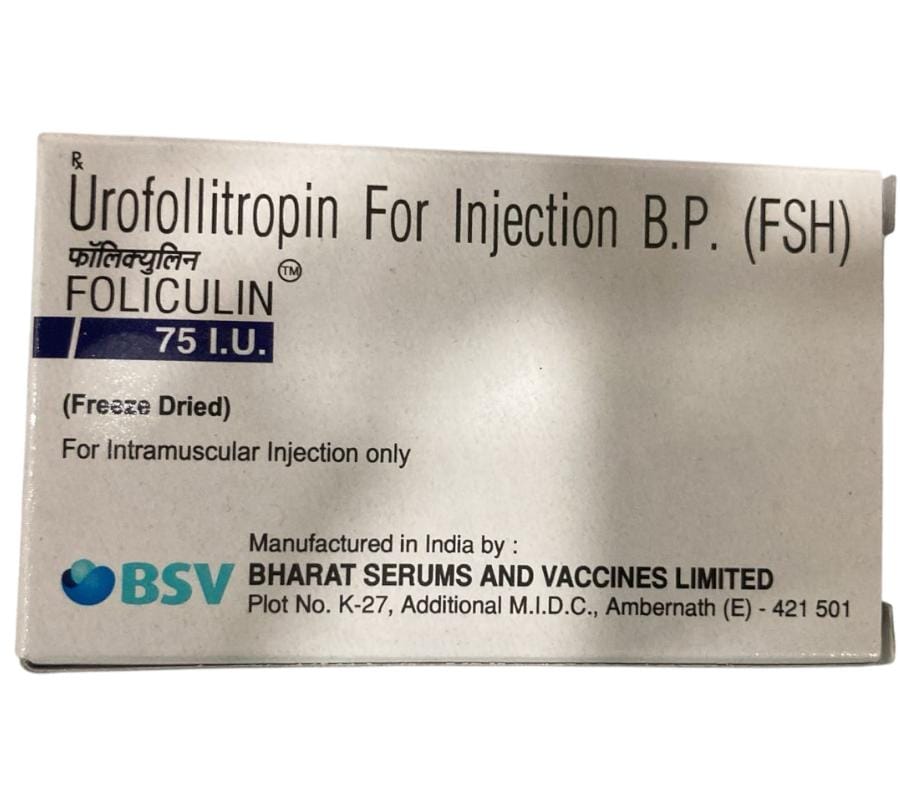
The Timeline: What to Expect Hour by Hour
The waiting game after the injection can feel endless, but understanding the timeline can bring a sense of control. Here is a general breakdown of what's happening inside your body after foliculin injection for ovulation.
- 0-12 Hours Post-Injection: You’ve done it! In these first few hours, the medication gets to work. You might not feel much, though some people notice mild soreness or redness at the injection site. It's a good time to relax and let the hormone do its job.
- 24-36 Hours Post-Injection: This is the magic window. Ovulation typically occurs within this timeframe. Your fertility clinic will have given you specific instructions on when to have intercourse or when your IUI is scheduled. This precise timing is designed to ensure sperm are ready and waiting to meet the newly released egg.
- 36-48+ Hours Post-Injection: Ovulation has likely occurred. The empty follicle now transforms into the corpus luteum, which starts producing progesterone. This hormone is crucial for preparing the uterine lining for a potential pregnancy and sustaining it. This marks the official beginning of the "two-week wait."
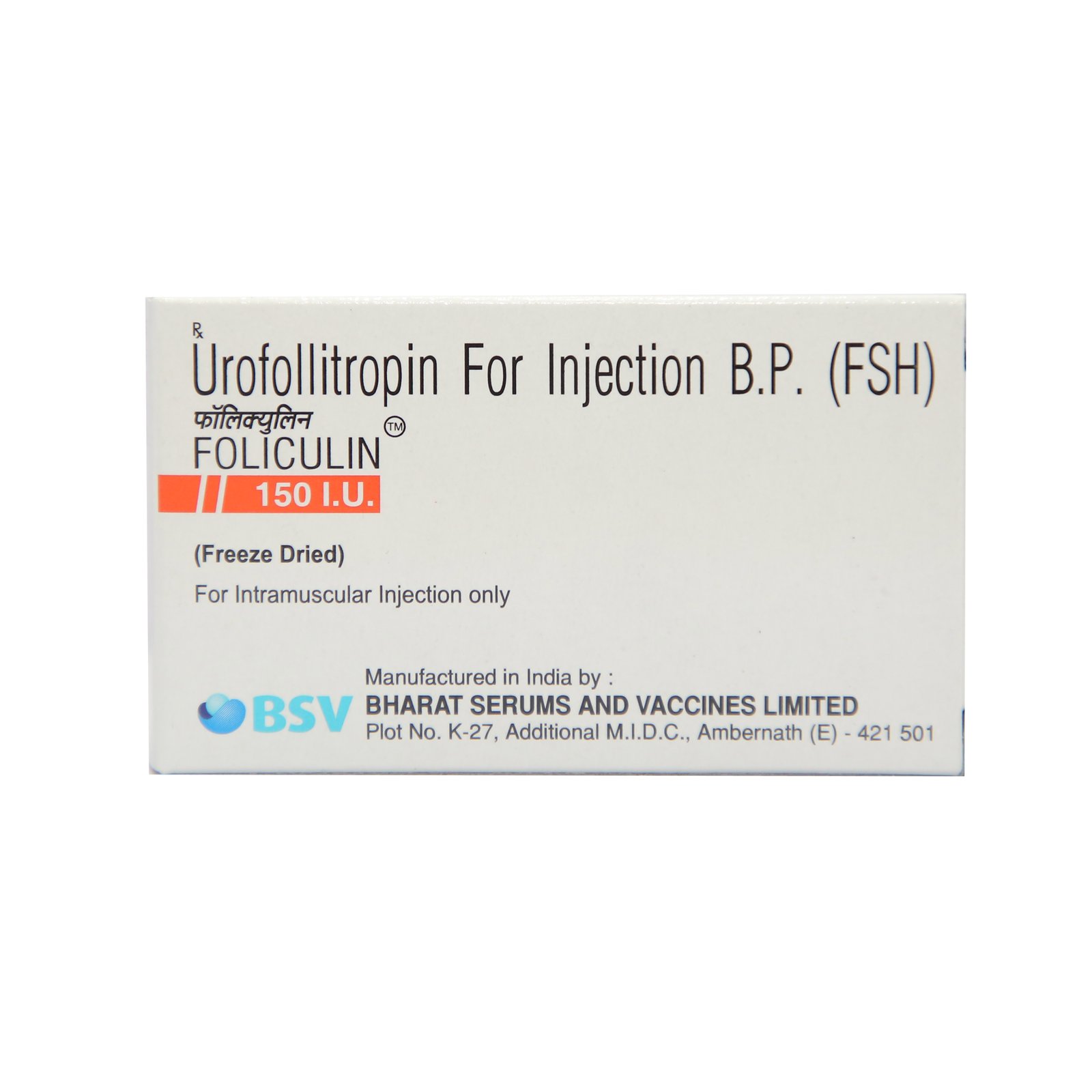
Common Symptoms and Side Effects After the Injection
It’s completely normal to be hyper-aware of your body during this time. I remember analyzing every cramp and flutter, wondering if it was a good sign. Most symptoms are simply your body responding to the hormones.
Common side effects include:
- Injection Site Soreness: A little bit of redness, swelling, or bruising where you administered the shot is normal. A cold compress can help.
- Bloating and Mild Cramping: Your ovaries have been working hard to grow those follicles, and the trigger shot can amplify this. You might feel a dull ache or pressure in your lower abdomen, similar to ovulation pain.
- Breast Tenderness: The surge in hormones can make your breasts feel sore or sensitive.
- Mood Swings: Hormones can definitely play with your emotions. It’s okay to feel more sensitive or anxious than usual. Be gentle with yourself.
While these are common, if you experience severe pain, extreme bloating (a sign of Ovarian Hyperstimulation Syndrome, or OHSS), or heavy bleeding, it's essential to contact your doctor right away.

Maximizing Your Chances: What to Do After Your Foliculin Injection
You've taken a major step, and now you want to do everything you can to support the process. The good news is that the best advice is often the simplest.
First and foremost, follow your doctor's instructions about timing. Whether you're doing timed intercourse or an IUI, their schedule is based on when you're most likely to ovulate after foliculin injection for ovulation.
Beyond that, focus on gentle self-care:
- Stay Hydrated: Drink plenty of water.
- Nourish Your Body: Eat balanced, healthy meals. This isn't the time for a restrictive diet.
- Avoid Strenuous Activity: Light exercise like walking or gentle yoga is fine, but avoid heavy lifting, high-impact workouts, or anything that could twist your abdomen, as your ovaries are enlarged and sensitive.
- Manage Stress: This is easier said than done, I know. Try deep breathing, meditation, watching a favorite movie, or talking with a trusted friend. High stress levels aren't helpful for your body right now.
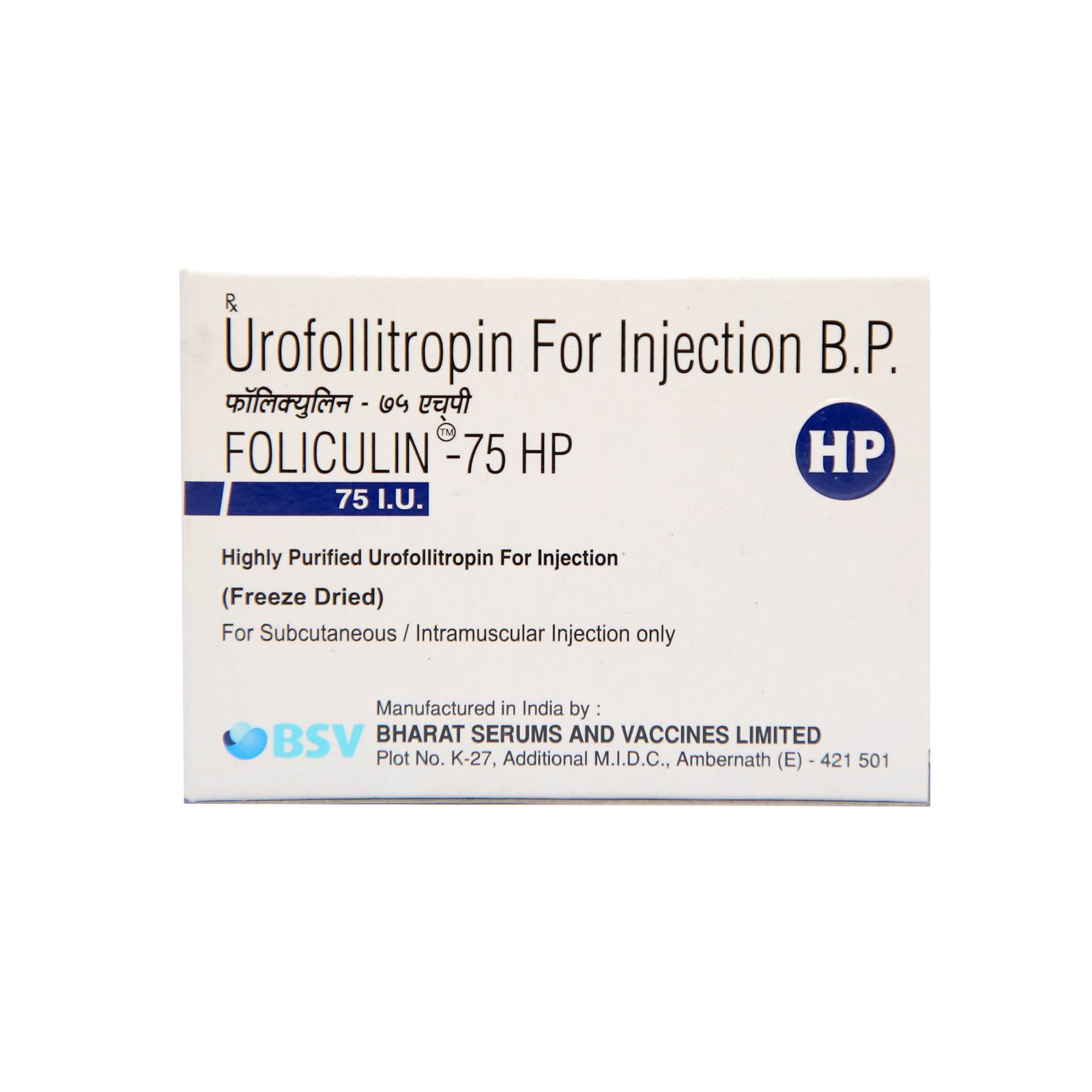
The Two-Week Wait: Navigating the Most Anxious Time
Welcome to the two-week wait (TWW), the period between ovulation and when you can reliably take a pregnancy test. This can be the most mentally challenging part of the cycle. My first TWW felt like the longest two weeks of my life.
A crucial thing to remember after foliculin injection for ovulation is that the hCG in the shot can stay in your system for up to 10-14 days. This means taking an early home pregnancy test can give you a false positive. It’s detecting the medication, not a pregnancy. Your clinic will tell you exactly when to test to get an accurate result.
To get through it, find healthy distractions.
- Plan a project or a fun, low-key outing.
- Read a book you've been meaning to get to.
- Connect with your partner about things other than baby-making.
- Lean on your support system, whether it’s a friend, family member, or a fertility support group. You are not alone in this.

Frequently Asked Questions of after foliculin injection for ovulation
When does ovulation occur after a foliculin injection?
Ovulation almost always occurs between 24 and 36 hours after the injection. Your doctor schedules intercourse or procedures like IUI to fall within this fertile window for the best chances of conception.
Can I test for pregnancy early after the injection?
It's best to wait until your doctor advises. The hCG from the trigger shot can remain in your system for up to two weeks, which can cause a false-positive pregnancy test result.
What are the signs of successful ovulation?
Some people experience mild cramping, a change in cervical mucus, or a slight rise in basal body temperature. However, many people feel nothing at all, so a lack of symptoms doesn't mean it didn't work.
Is it normal to have cramps after the injection?
Yes, mild, dull cramping or a feeling of fullness in the pelvic area is very common. This is due to your ovaries being stimulated and the follicle rupturing to release the egg.
How long does the trigger shot stay in your system?
The hCG from the trigger shot can take up to 14 days to fully clear from your system. This is why testing for pregnancy too early can lead to inaccurate results.
Conclusion
The journey after foliculin injection for ovulation is a unique blend of science, timing, and patience. You have taken a proactive and powerful step toward your goal. Now, the best thing you can do is trust the process, care for your body, and be kind to your mind during the wait. Remember each step, including this one, is a move forward.
You've got this. If this guide has been helpful, feel free to share your own experiences or questions in the comments below. Connecting with others on the same path can make all the difference.